

JAY JUDREN TALKS A LITTLE SH*T!
Bryce Ray, Jay Jurden
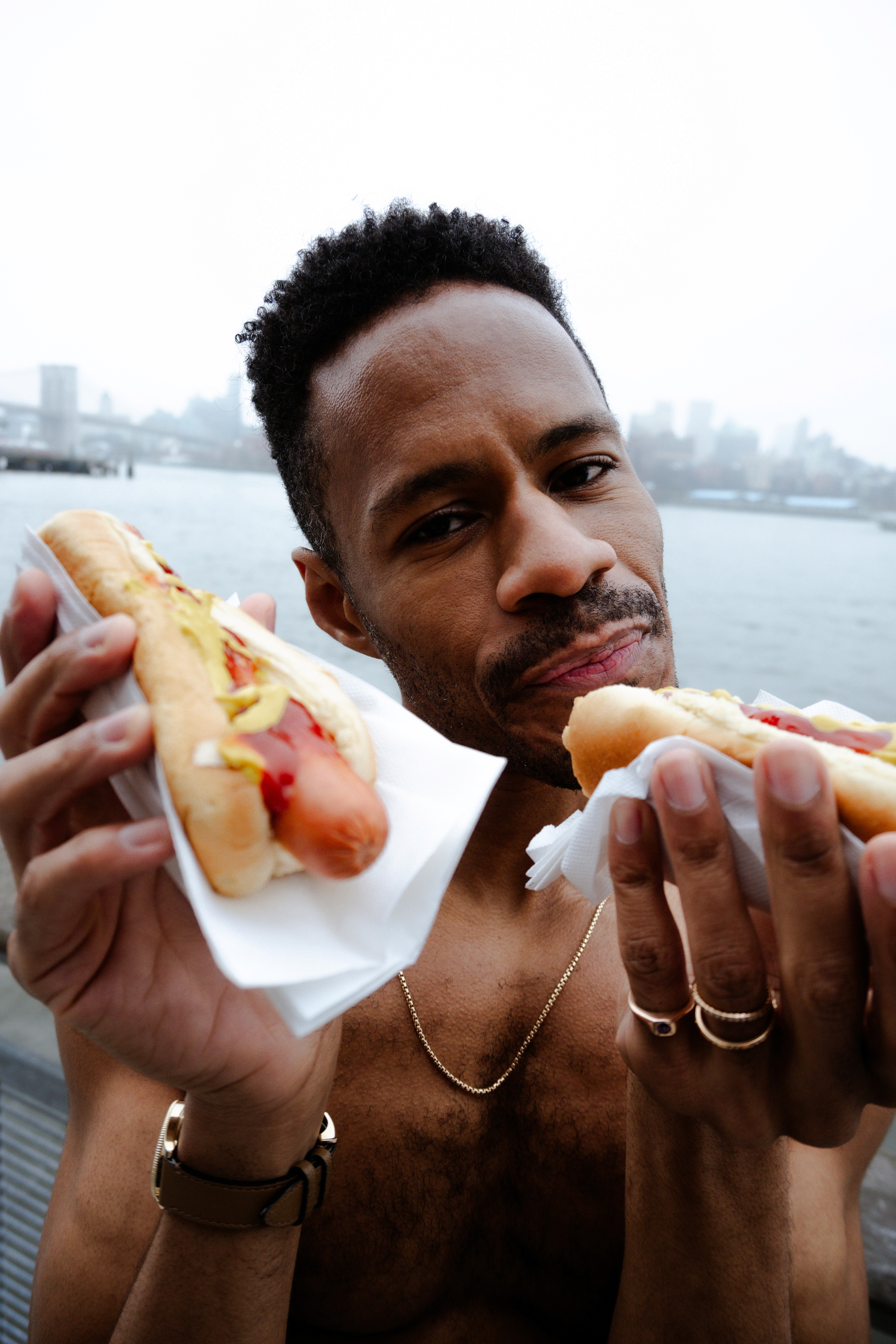
JAY JURDEN TALKS A LITTLE SH*T!
Jay Jurden is a New York based comedian, writer and actor. Originally from Mississippi, Jay regularly performs comedy all over the country and is currently a Staff Writer for Apple TV+'s Emmy-nominated show, The Problem With Jon Stewart. Jay has performed on The Tonight Show Starring Jimmy Fallon three times and has also been seen on The Late Late Show with James Corden, Comedy Central Featuring, The Late Show with Stephen Colbert, and HBO’s High Maintenance. Jay was named one of Variety's 10 Comics to Watch in 2022. His comedy album, Jay Jurden Y'all, debuted #1 on iTunes. Jay has written for numerous publications including: Vulture, Teen Vogue, McSweeney's, and The New Yorker. He has also written for Marvel's Voices: X-Men #1. He was listed on Vulture's Comedians You Should and Will Know in 2020 and was selected to be featured in Just for Laughs Festival's New Faces in 2019. We met up with Jay for coffee to discuss touring, the changing comedy landscape, and why he thinks everyone could stand to be a little bit meaner.
BRYCE RAY: You’ve been touring quite a lot recently, what have you learned so far?
JAY JURDEN: Just how much I love going to different cities and telling my jokes. One cool thing that you get to see when you go on tour--especially the first tour that you’re headlining--you get to see the people who come out to see you. You get to see what your draw is and what the makeup of your crowd is. I really like the demographic that comes out to see me. I like seeing the following that I’ve been able to build online translate to real butts in seats. One thing I’ve noticed is a real trend of young people coming to comedy shows for the first time. I’ve had a number of younger queer people and people of color come up to me saying that it’s their first time seeing live stand up. I think a lot of that has to do with the fact that--for the last fifteen years and beyond--we as comedians haven’t been the kindest to these marginalized groups--both in material and in interviews, etc. It makes me happy when these groups come up to me and tell me that they liked my set and that they like my clips online. It’s also provided me the opportunity to see cool parts of different cities. Sometimes you get in that New York bubble.
BR: What’s been your favorite city to visit so far?
JJ: Loved Austin. I’m not just saying that. [Laughs.] [Note: Bryce is from Austin.] Loved Philly. Always love Chicago. San Francisco was amazing. San Diego was really fun. We’ll see. I’m going to Pittsburgh and Toledo next, so I can’t say for sure yet.
BR: Right. You’ve still got a long way to go before this tour is over. What keeps you coming back to the city?
JJ: I get to do more stand up here than any other place in the world. I love that. I love the public transportation in the city. I don’t know. I feel like the city resets me. I like being on the road and then being able to come back to the city for three or four days at a time. I can put my stuff down and just kind of reset myself before going back on the road. It’s homebase for me. I don’t even think I'd be as good on the road if I didn’t have New York to come back to. New York is a fun comedy laboratory for me.
BR: How long have you been in the city?
JJ: Since 2015. Coming up on nine years this summer.
BR: And you’re a Southern boy.
JJ: I am! I’m from Mississippi originally.
BR: What was that transition like for you?
JJ: I didn’t really want to go to New York. I didn’t want to move to New York. I didn’t like New York. I was not ever going to do New York. Then, my final year of grad school, I got an offer from a theatrical agency that I’m no longer with, and I was like, okay, I guess I’ll try. I sold my car.
BR: Oooo. That’s the big one.
JJ: [Laughs.] Yeah, at first you’re like, money! Then you realize that you don’t have a car anymore.
BR: In your comedy, you talk a lot about growing up Black and queer in the South, can you tell me a little bit about that and how it’s informed your work?
JJ: I think that my experience as a young queer person who wasn’t out and as a young Black person in Mississippi both helped me hone the skill of making scary things funny. It allowed me to play with taboos and transgressive topics. I wasn’t out, but I was definitely not the most masculine high schooler. I was friends with the football players, but I certainly wasn’t performing the same masculinity that they were. Because of that, I was able to have a bit more fun. I could be sillier and make more jokes. I could play--like truly play. In terms of being Black in Mississippi, my high school was 80% Black, so you’re hyper aware of race relations in Mississippi but you’re still in a pretty homogenous environment. Then I went to college at Ole Miss. If you don’t know, in 1963 with James Meredith, it was such a big deal that a Black man wanted to go to grad school there that they actually called in the federal troops. They did not want him to go there. Going to school there, I became much more hyper aware of race than I was in high school. I think that the angst and hypersensitivity around the subject led to a lot of humor and jokes. Those two eras, high school and college, led me to wanting to make jokes about the subjects. When I moved to New York and decided to do stand up, I was like, I know exactly what I’m going to talk about. Sometimes new comedians stress over what to talk about but as a Black queer man from Mississippi, I know exactly what I need to talk about.
BR: So you didn’t start out doing comedy?
JJ: No, I got my BA, BFA, then MFA. Then I went back home and got my personal training certification. I moved to the city to pursue a career in stage, tv, and film, and I quickly learned that if you’re moving to New York to be an actor, you’ve got the tiniest amount of control over what goes on in your life. As a standup comedian, you have exponentially more control because you have way more autonomy. You can go do an open mic, you can do a show, you can sit down and write stuff and go to another open mic. Now, mics used to be so much cheaper. For anyone reading, mics used to be like one drink and you can go up and do a short set. These days, mics can be pretty expensive. I was lucky enough that when I started going to mics, I already had the basis of a one-man show from grad school, so I was able to just chop that up. Some of those parts were glorified stand-up, so all I had to do was take some of the fat out, making it funnier and faster. Then I just kept doing that.
BR: Where did you learn how to craft and joke and build a set? Is that something you were able to learn in school?
JJ: I had two different sections in both my undergrad and grad programs where we studied stand-up comedy. Stand-up is essentially giving a monologue. Some of them are really good, some of them are…you know. [Laughs.] But for all intensive purposes, they’re monologues. I was taught that theatre is stand-up. They fall under the same tree, so I never really looked at them that differently. I took most of my theatre training and just applied it to my stand-up. Doing theatre before doing stand-up is essentially cheating, but I think that’s good. I like that I had previous stage experience. That being said, I also grew up loving stand-up. I watched Comedy Central all the time. I watched Last Comic Standing.
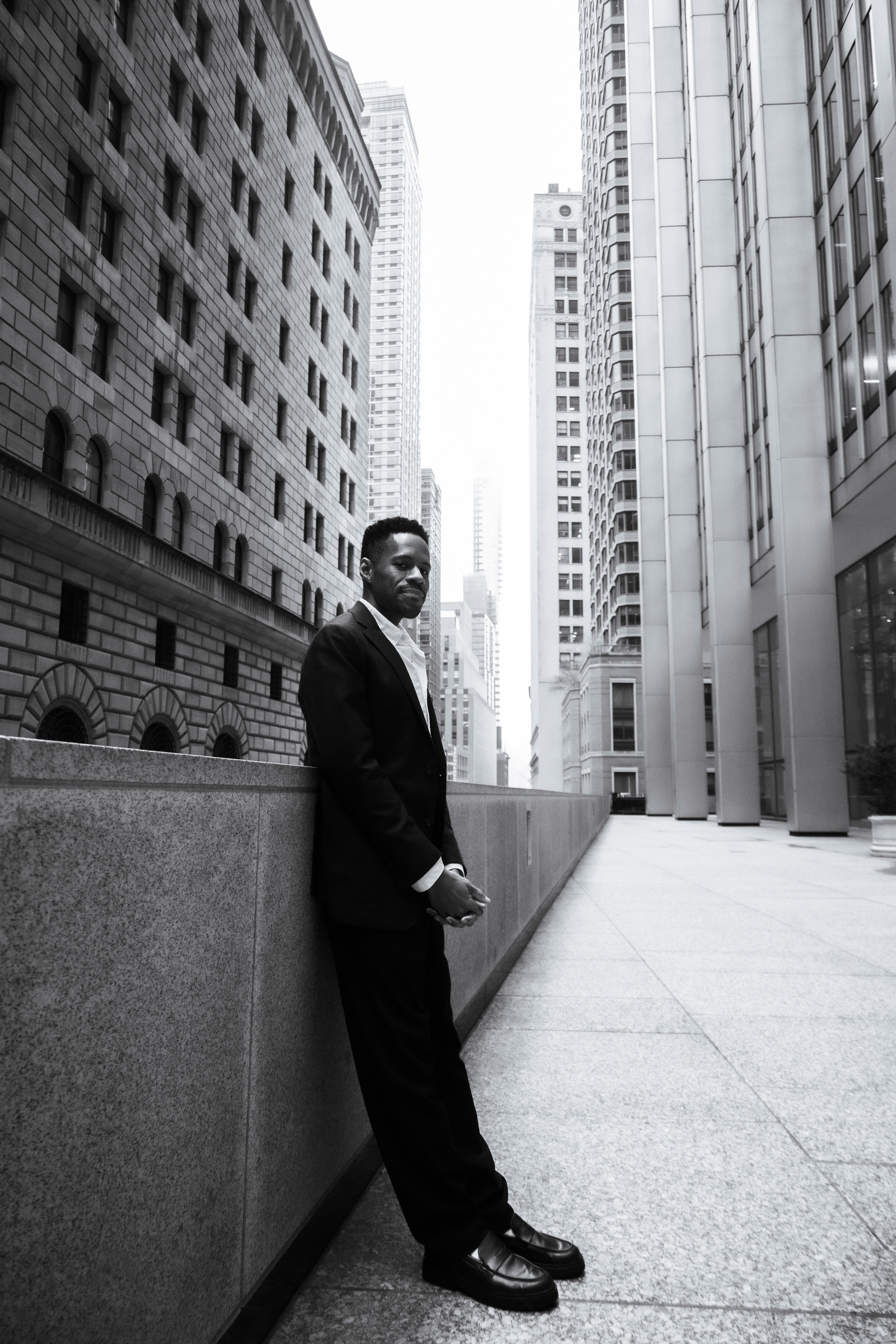
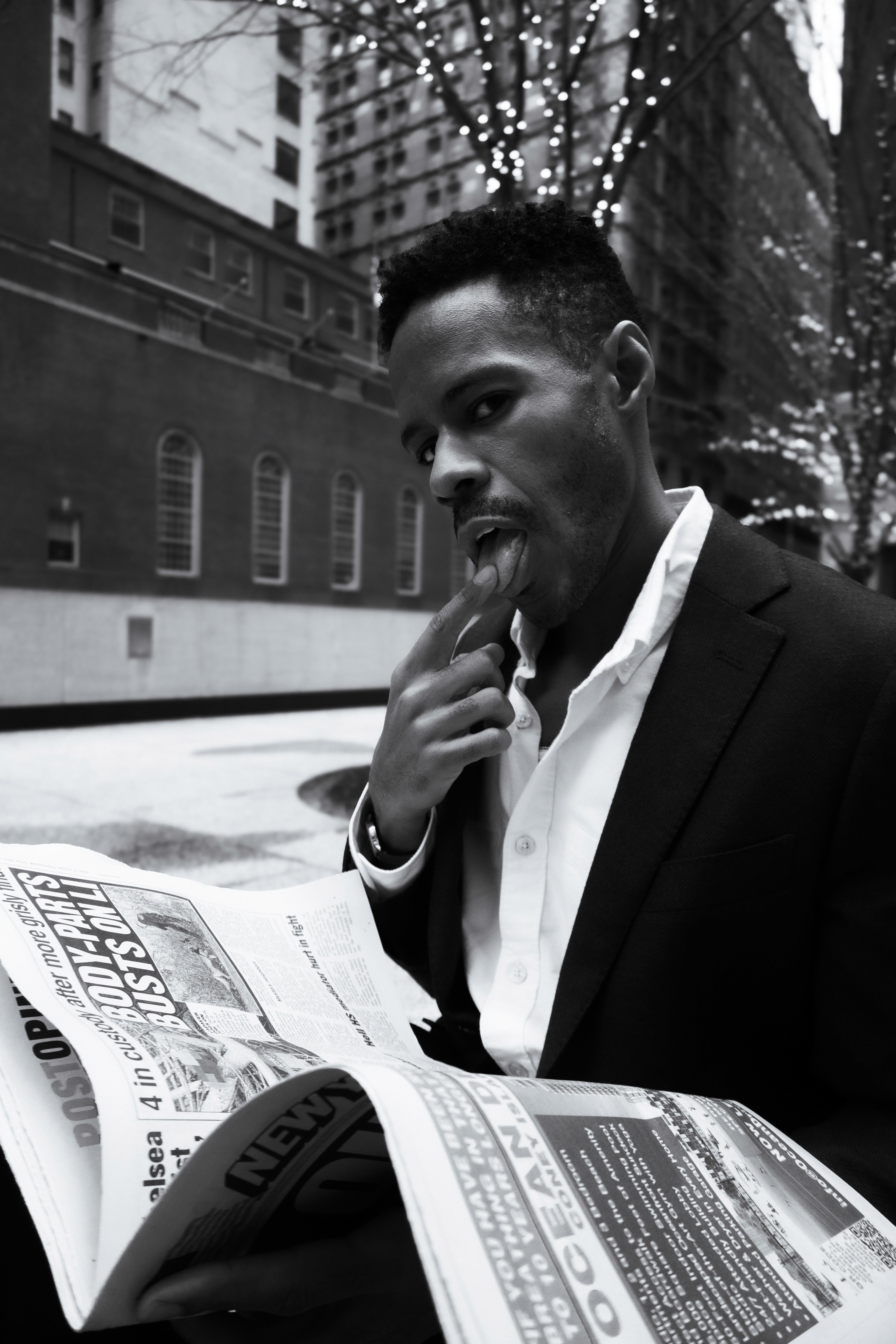
BR: Who were some of your favorites growing up?
JJ: Growing up? [Laughs.] This is funny, but I’m going to say it. The person who changed my comedic brain in 2003 was 100% Dave Chappelle. Absolutely in the past tense, but his 2003 show and his first big show before that really opened up my mind. Eventually, people like Wanda Sykes, John Mulaney, and Roy Wood Jr. Then when you move to the city you have both your peers and the other stand-ups you get to see around the city who make you go, oh my gosh, I love what they did here or I love what they did with this. I was lucky enough that, growing up, there were a ton of Black comics that I could watch. Even when I didn’t know that stand-up was an option, I was seeing stand-ups that looked like me and talked like me doing it. Because I could see myself in those performers, there was never a time when I thought that I couldn’t do what they were doing.
BR: So fastwarding to the future, you’ve had quite the career--what’s something you haven’t done yet that you still want to do?
JJ: I would love to sell my hour to a streamer. I would love to sell this current hour of stand-up comedy to someone with the means to make sure that a lot of people see it...whoever that may be…maybe I’m doing someone’s festival in Los Angeles…it could be them? I mean, I’m doing Netflix is a Joke Fest…[Wink wink.]
JJ: I’m also hyper aware of how the comedy landscape is changing.
BR: How so?
JJ: Oh, how so? Okay, people don’t know this. I’ve done The Tonight Show three times, and I was lucky enough to get to do James Corden’s show before that went off the air. Now, no one is really letting people do late night sets. Kimmel sometimes has people, but it’s been a very long time. Colbert sometimes has people, but it’s not often. Jimmy Fallon is the only one that is consistent about it. They are doing right by stand-ups because they regularly feature us and let us tell some jokes. But, yeah, the comedy landscape is changing. It’s changing with social media, it’s changing with clips, it’s changing with crowd work. It’s even changing with what it means to make it and what people’s goals are. Some people only do stand-up so that they can then do something else. I’m more old school because I do stand-up because I like it and want to keep doing it. Obviously, if other opportunities come around because of it, that’s great and I’ll do them. I love being on TV. I played a sex worker on High Maintenance and had my ass out! After that, I wasn’t like, oh, I’m never doing stand-up again. I couldn’t wait to do stand-up about it!
BR: How was your experience on High Maintenance? Did you audition?
JJ: Yeah, I auditioned. The person who cast that episode does a great job at finding very good, authentic New York talent. They just have an amazing eye, and I love all the things I’ve seen them cast.
BR: They saw you!
JJ: [Laughs.] Shout out to Andrew Fem. That’s how I got on High Maintenance. What I thought was really cool about that show was that Ben and Katja [the creators of the show] made my experience so much fun. I felt taken care of. I felt safe. I felt sexy. I love that whenever you bring up High Maintenance people always tell you how much they love it. I love the fact that they have so much karma and good credit amongst those that know TV.
BR: Even and especially amongst those that live here and have seen it. You watch that show, you understand it and you see yourself in it. It’s such a New York show.
JJ: New Yorkers loved it. It was a really cool opportunity. It was my first sex scene.
BR: What is it like shooting a sex scene?
JJ: It’s a lot of making sure that your balls don’t pop out of the modesty pouch they have you in. You feel very safe and comfortable because there is an intimacy coordinator and only the necessary people on set, but you’re moving a lot and the pouch is only attached to you with K tape that starts to be less adhesive the more you move. Every now and then you have be like, okay, let’s reset because this is becoming a very authentic scene. I had fun. I loved my scene partner. I think a lot of people don’t really understand how much thought goes into a sex scene. That episode was cool because we had an intimacy coordinator on set, but then there was also an actor playing an intimacy coordinator in the episode. It was kind of a weird meta nesting doll.
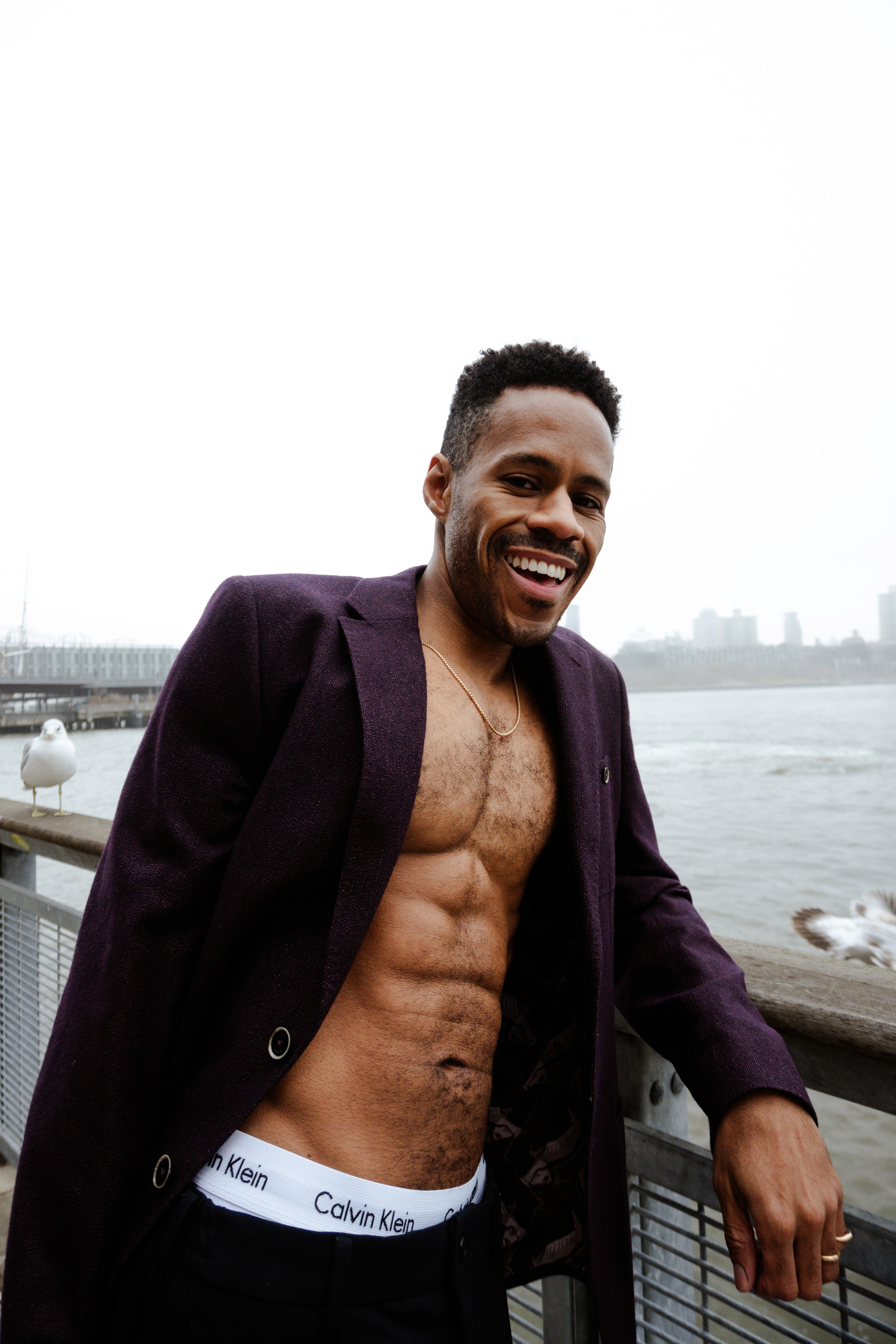
BR: You touched on social media earlier and how it’s impacted this next phase of comedy. You’re very active on social media, do you enjoy doing it?
JJ: I like doing social media because I’m a bitch. [Laughs.] And when I say I’m a bitch, I mean I bitch about things. I can be very pointed. I feel like we’ve lost the ability to talk a little shit. People get mad now. You have to be friends with everyone now because you have to wanna be on every podcast. You never know who is going to blow up, so you have to be nice to everyone. Full disclosure, I don’t give a fuck about a lot of these people. That’s not even on some hater shit. I just don’t care. I care about you in the sense that we’re all God’s children, whatever, but I’m not going to lie and tell you you’re great when I don’t mean it. I don’t care enough about you or your skill set--or more importantly your lack thereof--to wanna beg to be on your shitty podcast. I like social media because I get to control what I get to control, and I can tweet a bunch of wild shit. I like a little spice. We need to shake the table a little bit. I get so bored with the way some people interact with social media now because they’re trying to make sure everything is perfect before they get famous. Get good before you worry about that! No one is going to see your tweets because you’re not good enough for anyone to go back and dig them up! Listen, I’m not famous. I have crumbs. If no one is checking for me, ain’t nobody checking for you. We used to be able to be mean! We could be a little mean and no one thought we were fucking Hitler. Now, if I say, write a better joke, people get mad! I want you to be better!
BR: Is it being mean or do you just have standards and taste? You should expect the people in your field--especially those moving in the same spaces as you--to rise to a certain level.
JJ: I’m always amazed when people argue that comedy is subjective. All art is subjective, sure, but if you’re doing ballet and someone asks you to do a pas de chat, you better fucking know how to do a pas de chat. Ballet instructors have sticks, and they will hit you! Or they used to back when you could smoke in the studios.
BR: So you’re saying that comedy can be subjective, but there still has to be skill there.
JJ: I’m very happy that a lot of these younger comedians understand the assignment. All of them do. Some of them don’t. [Laughs.] But a lot of them do.
BR: [Laughs.] Who are some people--
JJ: That I don’t like? Okay, here’s a list--
BR: Yes, who do you fucking hate? Just kidding. Who are some newer faces on the scene/ peers whose work you love?
JJ: There are so many people that make me laugh from my soul in the city. If comedy is high school, you have the upperclassmen that you love to watch work and look up to. Then you have your peers. Amongst my peer group, I love Gianmarco Soresi, Aminah Imani, Caitlin Peluffo, and of course, Zach Zimmerman. Then there’s also Nico Carney, who is younger than me and so damn good. I think Shalewa Sharpe is such an amazing comedian. She is just a funny ass Black woman from Atlanta that literally makes me scream laugh everytime I see her. It goes without saying, Sydnee Washington and Marie Faustin, are evil and funny. They look like mean girls. They aren’t, but if you trip and fall in front of them, they will laugh. I look up to Jaboukie Young-White for the way he was able to make people enjoy comedy and his skill at performing in a number of different mediums. Both Joel Kim-Booster and Matteo Lane have always been super supportive of me as another queer person doing comedy. You definitely need that support because comedy is still such a straight dominated sport. Asha Ward and Rebecca Weiser are two younger comedians who I look at and think, thank god! It’s nice to see people that truly love getting on stage to tell jokes and don’t want to just get famous for dancing around in their fucking kitchen.
*This interview has been edited and condensed for clarity and your viewing pleasure.
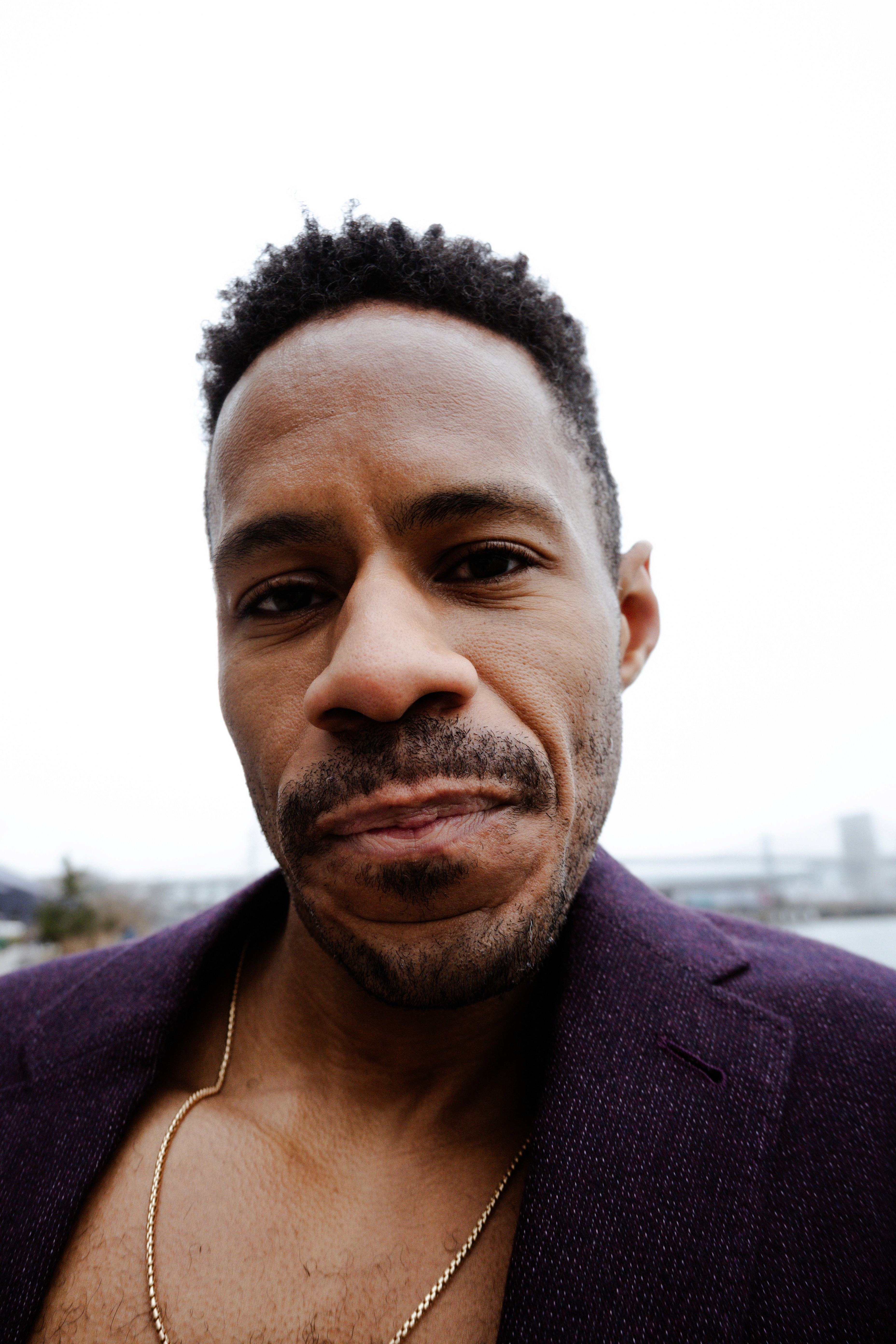
Lensed by Randi Russo (@randiraerusso)