

MERLOT IS PROUD TO BE THE DOLL
Bryce Ray, Merlot
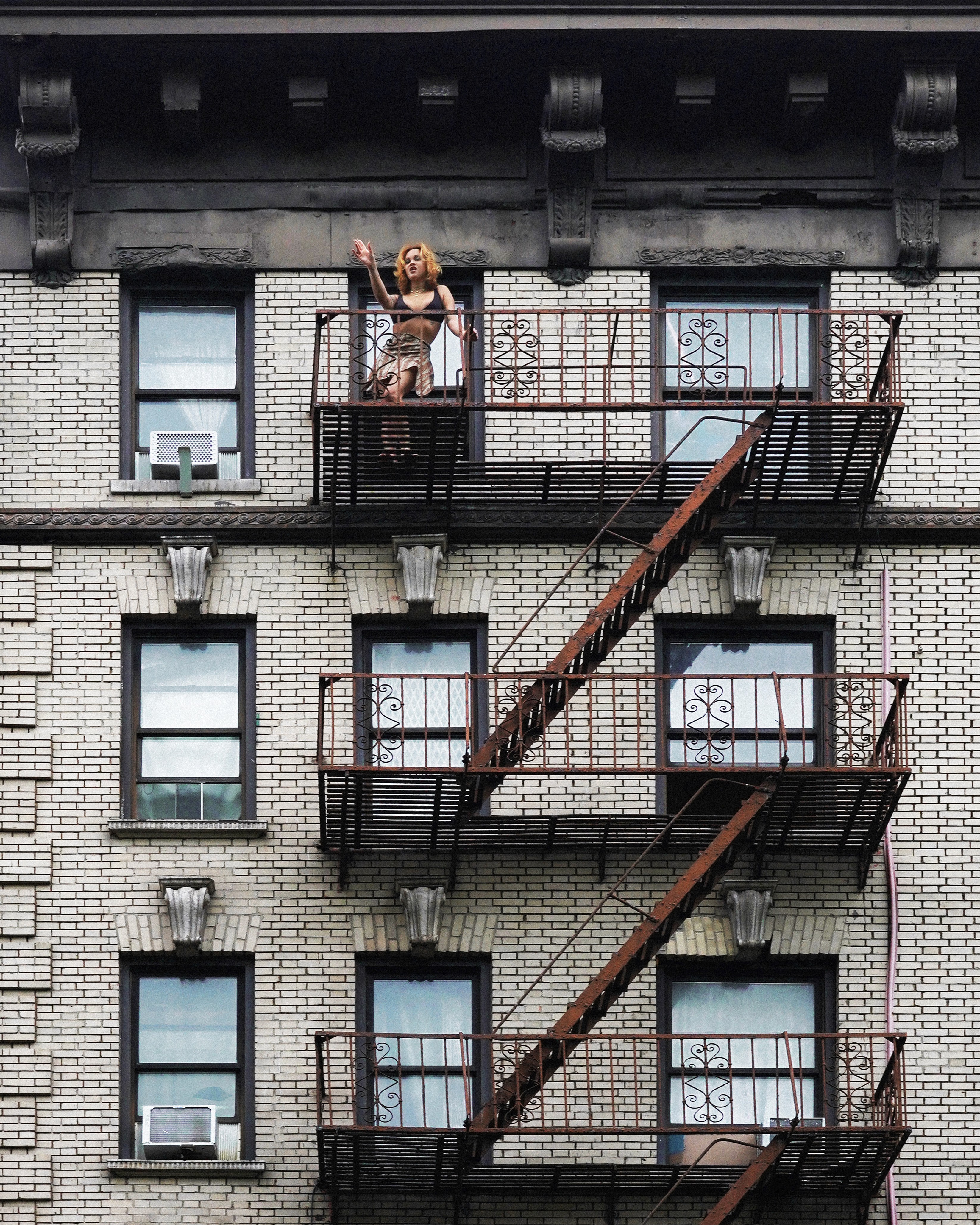
Merlot defies any definitive title. Downtown-staple, it girl, musician, vocalist, actress, and model all apply, but Merlot is Merlot. After releasing her breakout single “Bad for You” in 2018, followed by 2019’s “Sunrise” and 2020’s “The Fall” the multi-hyphenate artist returned after a near five year hiatus with 2024’s “Butterfly,” a song dedicated to her transition. Last year, she made her film debut in Alexi Wasser’s “Messy,” which was included in John Waters’ Best Movies of 2024 list. Here, Merlot hopped on a call with PSB Editor-in-Chief Bryce Ray to discuss transitioning, her personal divas, and why she’s prioritizing herself amidst the uncertainty of our political climate.
BRYCE RAY: How you would define your own relationship to the diva. Would you consider yourself to be a diva?
MERLOT: Gosh, you know, I love that question. My perception of being a diva has changed over time a little bit. Maybe not my perception of diva, but the way that I've categorically fallen into diva. There's multiple versions of it, right? There's the negative connotation of, you're being such a diva. Prior to transitioning, I was a crotchety diva. I was a very self-important diva. I wasn't being myself or living in my truth. I was a little bitter at the world because I felt a little bit excluded, like I was outside this window looking in at a group of men that I felt like I should be in community with. I felt like I should be having the same experiences as every other white fit gay guy that I knew. Naturally, that resulted in diva behavior. Now, I would say I'm a diva, but in the way that I know who I am. I am sure of myself, and I'm not second guessing my gut and my feelings. I'm also not allowing things I might have allowed before. I'm not allowing people to step on me. Whether that be in the workplace or personal life, I'm really sticking up for myself. For me, right now, being a diva is all about knowing your self worth. Doing no harm, but taking no shit has been big for me. I'm not hiding from anyone. To this day, I'm always very forthcoming. Even if there are moments where I “pass,” it's never a secret. Heart on my sleeve, I'm very proud to be the doll. To me that's diva behavior.
BR: Did you have any childhood divas?
M: Ooh, like divas I looked up to? I was raised in a matriarchal family. My mother was a single mother; I was an only child. She has two sisters that helped raise me and take care of me. My grandmother also lived in the house with us after my grandpa died. I remember going into the real world after being in a house full of women that were the leaders, no men around to tell us what to do, and witnessing things like misogyny happen. I was shocked. Even most of my teachers were women. There's something about growing up in that matriarchy. I think those were the divas in my life. They're not all perfect and I don't talk to all of them now.
B: [Laughs.]
M: You know, things happen. [Laughs.] But they were really influential. I'm not gonna open up the can of worms that is nature versus nurture, but the womanhood was in the house. The call was coming from inside the house the whole time. It was all I really knew. Even if I had never transitioned or if I fucking--I don't know--ended up married to a woman, growing up, I was just this femme surrounded by femmes.
B: Did you have any divas in pop culture that you looked up to?
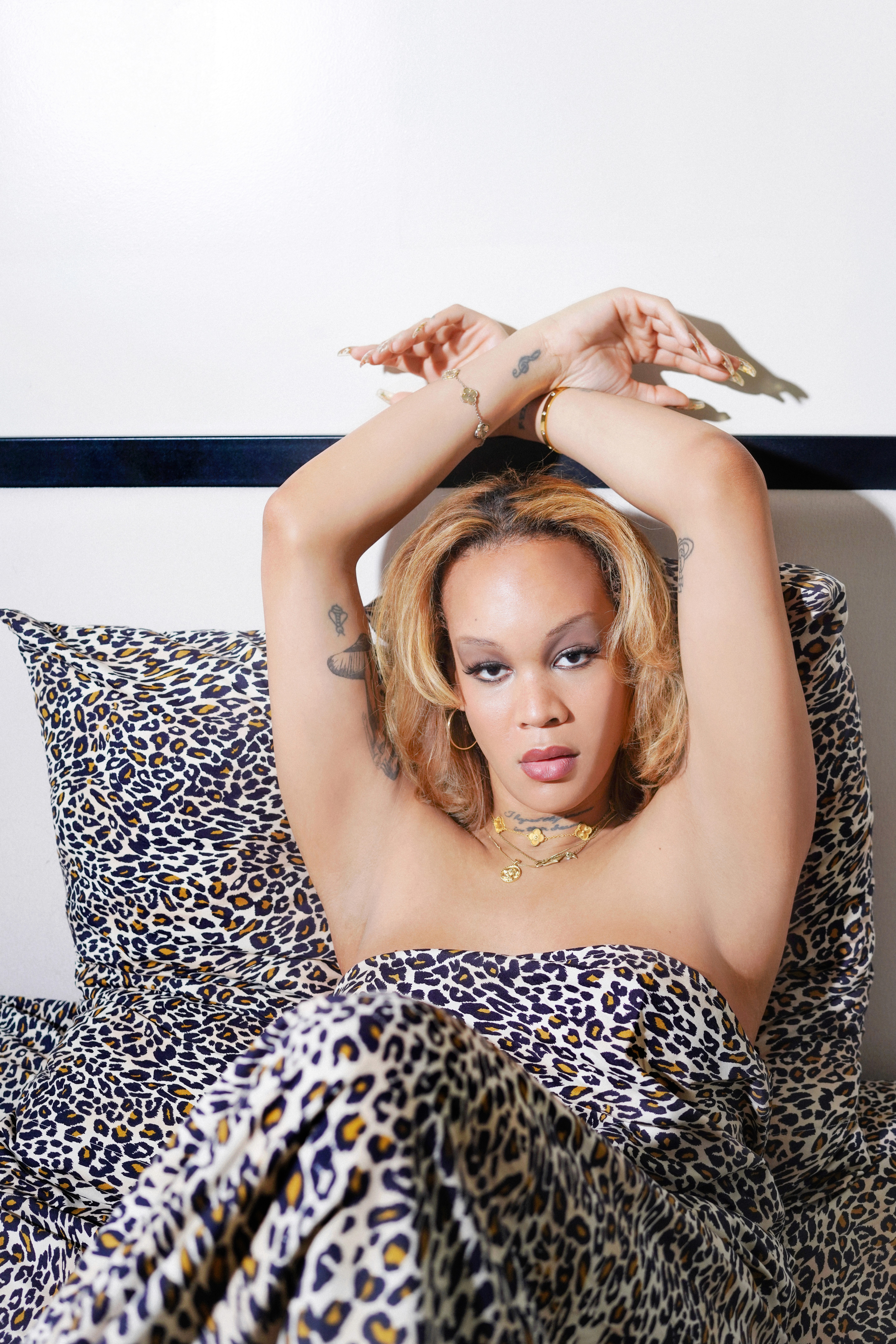
M: It was Beyoncé until Gaga stepped out. I mean, I'm still Beyonce now. “Bday” (2006) happened and I was like, OMG, she’s the best artist alive. Then “The Fame” (2007) and “The Fame Monster” (2009) came out, and Lady Gaga saved my life. I'm like that type of old school fan. I've seen every single interview; she was my autistic special interest. She has interviews I think about to this day. She was on set for a music video one time and they told her that it was raining and that they couldn’t film for fear that the camera equipment would get damaged. She was like, you idiots! We’ve got free rain. Cover the cameras and we're gonna shoot it. Rain is amazing and we got it for free. If it all breaks, I'll pay for it! That's diva! That energy has stuck with me so much. Just watching how well she crafted her art and the degree to which she was serious as a heart attack, even when everyone thought she was joking. She took every little detail so seriously. I think that’s true divahood. And “Mayhem” (2025) is the tea.
B: Well, yes! You kind of answered this already, but how would you say your matriarchal divas and your pop divas have gone on to inform you today throughout your transition, your music, your life?
M: It’s the whole idea of being in charge of your own life. Whether or not you believe in reincarnation, to a degree, you only get to do this shit one time. I wish that I’d cared more and taken my life into my own hands. It's finally clicked within the last couple of years, I would say. It’s not even just about taking yourself seriously, but sticking up for yourself and being authentic and unapologetic. It’s about following your vision and not compromising. I think those are things that I was late to the game with. My mom never got married and never kept men around the house, but she always made sure that I had whatever I needed. She worked the entire time that I was growing up. I like that she just kind of put her head down and made sure that I was taken care of and dressed fly. She made sure I got to saxophone practice on time and was on top of my stuff academically. That vision and drive towards a future for me is so diva to me.
B: Have your mom and the other matriarchal women of your life always been supportive of your coming out and now transitioning? How has that relationship been for you?
M: My mother and I had ups and downs, but ultimately, now, she's my best friend. She sends me dresses in the mail all the time. She’s got all of my sizes down. She'll go thrifting in Florida and bedazzle things before sending them to me. I'm looking at all of my stuff right now, and I’ve got so many things that she’s bedazzled and sent up. You know, we've had patches. It wasn't like the moment I came out that I got the gay childhood I always wanted. It wasn't like that. But at this point, and over the last eight years or so, she's been really supportive. As far as transitioning went, she was really supportive with that. I didn't announce it or tell her until 2021 when I started estrogen. There's been a lot of discourse around Drag Race and Lexi Love. Lexi’s mother kicked her out and then they brought her on the show. I think there's a lot of room for rehabilitation; it's different for everyone. Not everyone has to forgive their parents if they went through something and some things are worse than others. I didn't get thrown out of the house at any point. I was never denied basic rights from my mother like some people have been. But there's still room for rehabilitation in my life. I think that's an important part of a lot of queer people’s stories. A lot of the girls will talk about how their mom was kind of awful when they were in high school or whatever, and then they came out and now she's their best girlfriend. They can go get aperol spritzes on the weekends and talk about boys.
B: It's a journey. You have to meet people where they are.
M: Yes and no. It's all about someone's willingness. I mean, not anymore. The cutoff date was before the election. I'm not accepting anyone back over the line. Not any longer. Whether you’re blood related or family, I don't give a fuck if you come to me and you apologize. The cutoff point is over, and you’ve irreparably damaged the foundation of this country in a way that you don't get to apologize for and come back. Prior to the election, I would've said that I was always willing to accept anyone who was willing to listen and change, but it gets to a point. There are some people that are not worth saving and we can let them drown off the life raft. My life raft has nine holes in it that y’all put there! Shit!
B: Pivoting a little bit: you said you got started in music with the saxophone. When did you start singing? Has singing always been a part of the equation?
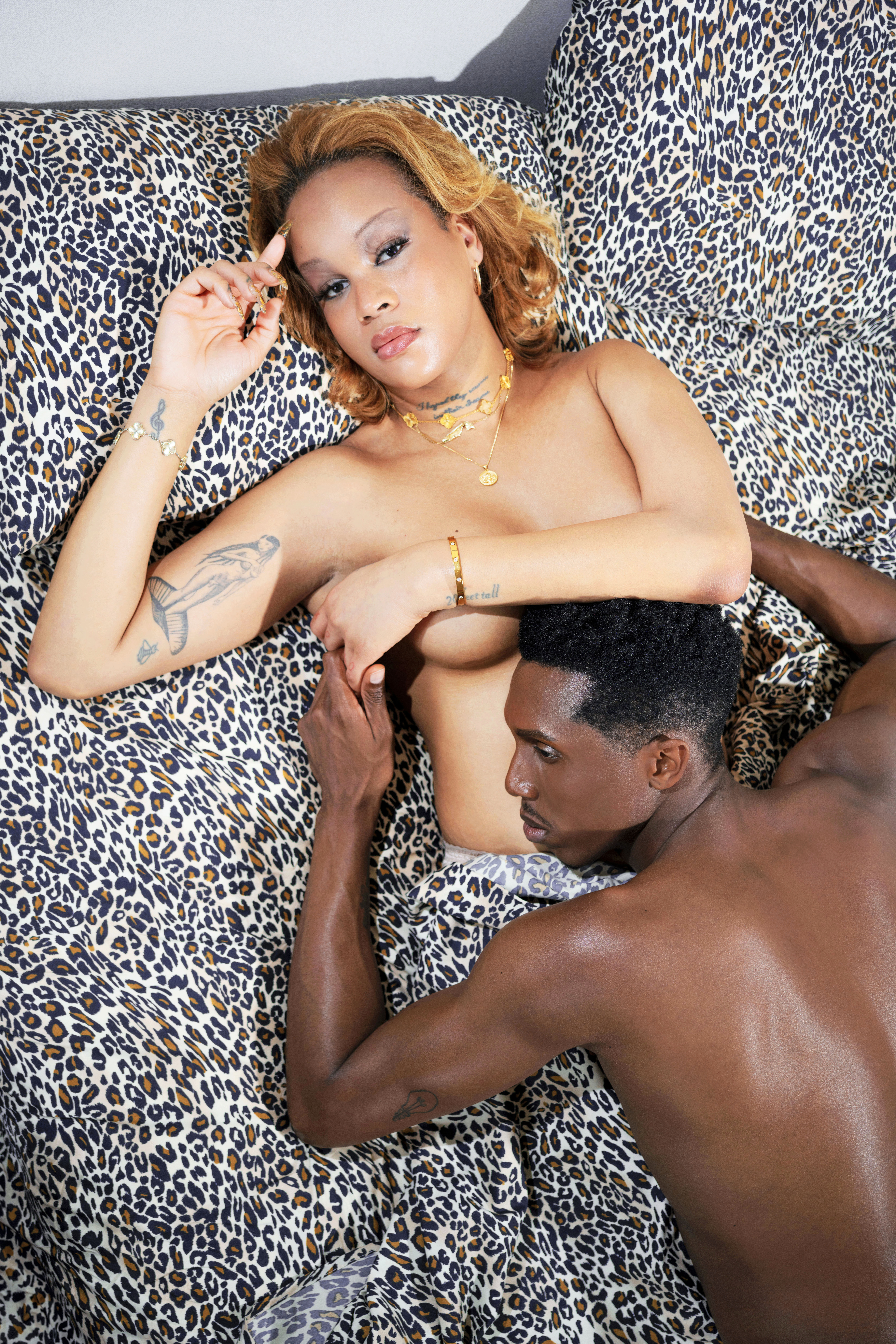
M: I started singing when I was really young. I was in a lot of choirs--even choirs that toured. Around puberty, I hit a wall. God, if I'd only known. I would have transitioned prior because my voice didn’t just drop, it disappeared. My range went from this young Michael Jackson squeaky soprano sound to nothing. Around fifth or sixth grade, I hit puberty and had like four notes to my range. I was so bummed, but my mom was like, look like you have too much of a gift and you love music too much. So I joined band and picked up the saxophone because I had listened to a lot of music with the saxophone in it. I loved Kenny G and David Sanborne, Miles Coltrane, Charlie Parker. Anita Baker used to have these huge saxophone solos. Whitney Houston. At that point, I was in the sixth grade and starting to question my sexuality. I was feminine and a little chunky. I had so much acne from puberty. I didn’t really have any friends and I knew that music was my ticket out of that. So I practiced--a lot. By the time I was in seventh grade, I was better than everyone in eighth grade. By eighth grade, I was taking private lessons and beating high schoolers in high school competitions. I was the kid that would neglect my homework so that I could sit down and practice the saxophone for hours. All this goes to say that, finally, by the time I got into high school, my voice had settled in. My school had a schoolwide talent show, and I sang “A Change is Gonna Come” by Sam Cook. This was around the time of a lot of big pop music coming out--Gaga, Justin Bieber, Nicki Minaj, Rihanna--and my mom begged me on her hands and knees to sing something more current. She thought all the kids would laugh and make fun of me. But I told her I had to sing “A Change is Gonna Come.” I had to do it. I opened it with two verses on the saxophone. Then I picked up the mic and everyone freaked the hell out. No one knew me. No one knew I could sing like that. I won the talent show. I was not popular because of it, but I had earned a different level of respect.
B: People saw you in a different way.
M: Yeah.There was a little bit of a, that one kid, they, they might do something, so let's maybe not beat the hell outta them. So I just kept on working on it and got better and better. In my junior year, I auditioned for Berkeley in Chicago with both saxophone and singing and got in early. At the start of senior year, when most people were still sending out applications, I was already accepted to Berkeley with financial aid and scholarship. At that point, I just sort of said, fuck it. I started doing poorly at school and acting way gayer. I started actually hanging out with people and cultivating a social life. Then I moved across the country for school and, essentially, started over. I lost a ton of weight and started doing drag. It was a whole thing. Now, years later, here we are, and I’m still doing a little bit of everything.
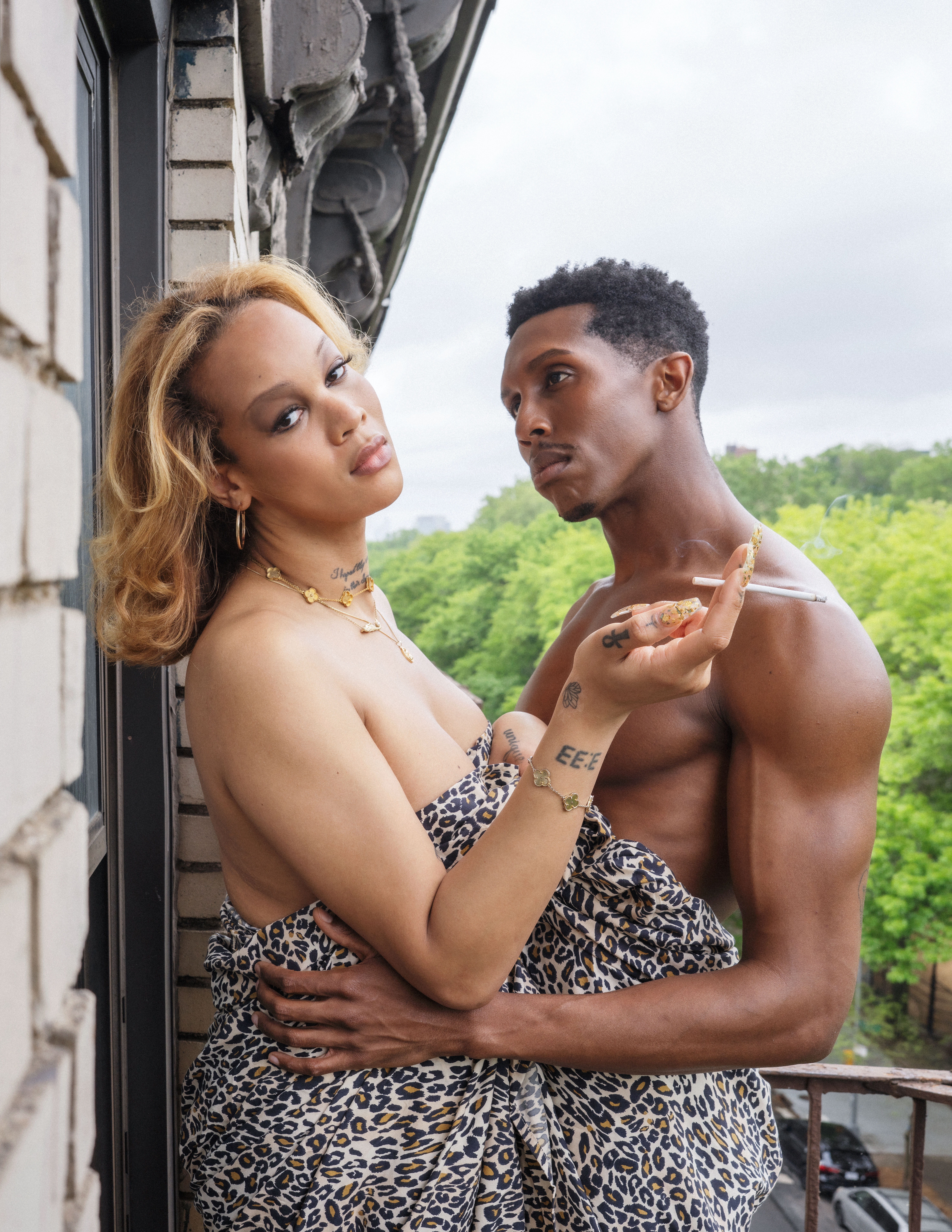
B: How does it feel to now be releasing new music post FFS, fully presenting yourself as a woman?
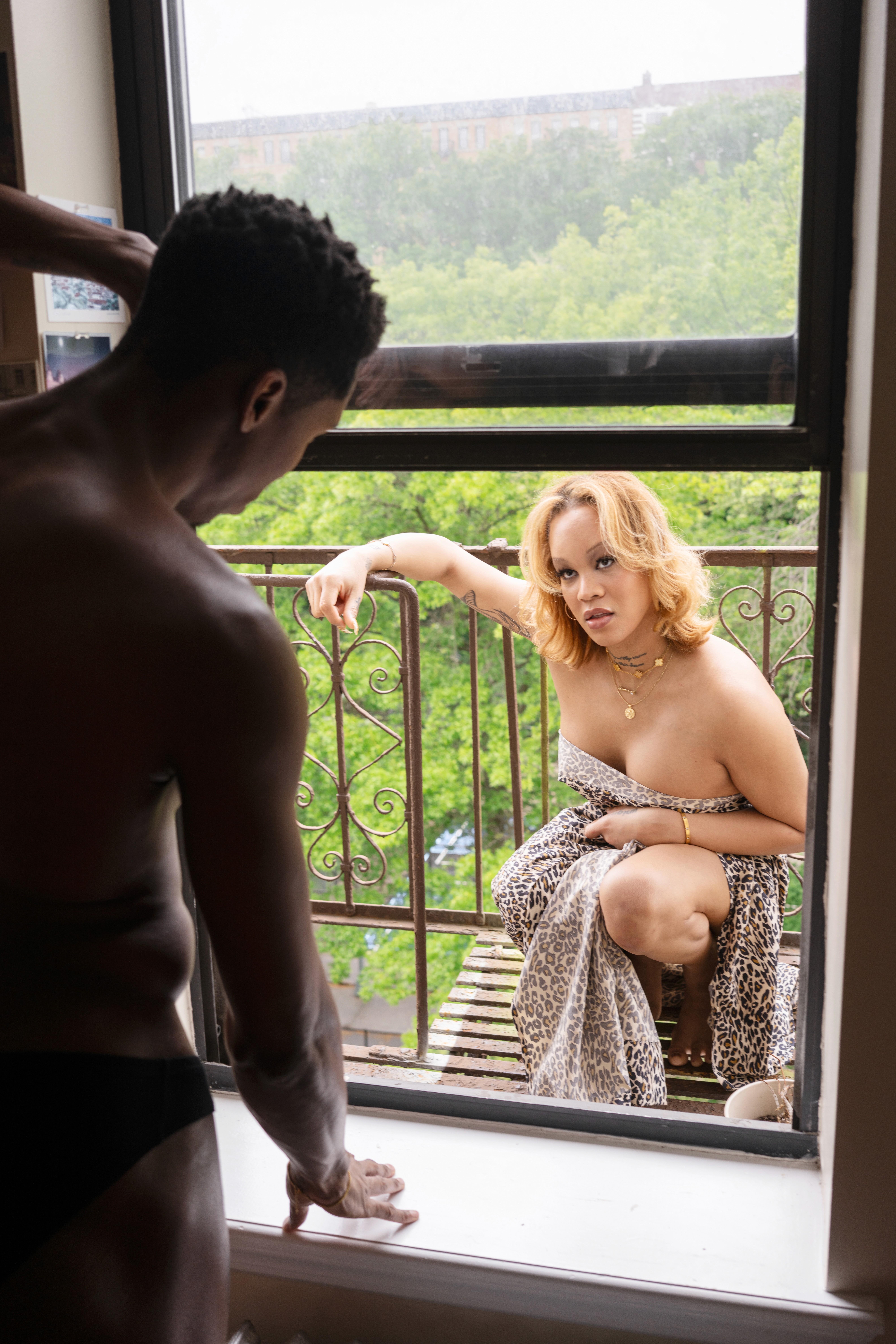
M: I was really nervous. If it's not common knowledge, reader, when you start estrogen, your voice doesn't get higher. It’s not the same for testosterone. A relaxing of the vocal cords will happen and your voice will get lower. Your voice isn't gonna cinch up and get tighter when you do estrogen. So I got the tits, I did the FFS. No shade, no tea, but when I sing, I don't sound like a lot of the other T girls. I'm not Kim Petras, who caught it way before she started puberty. I have a lower register voice, and it is not a very feminine tone. I sing the same way that I sang my whole life: deliberately a little huskier. It’s just a jazzier sound. Releasing my first song, it was something I really had to grapple with. I was in the studio with a friend from college who has produced a lot of my stuff, and we were going back and forth, trying every single plugin and third party app, playing around to try and feminize my voice a bit. We wanted to see if we could lean into the hyper pop sound that Sophie utilized a lot. Charli xcx and FKA Twigs also tend to use it. When it just came down to it, I think that my roots just aren’t pop. My music's never gonna sound like hyper pop.I don't think it's ever gonna be the genre. There's always gonna be a drop of soul, I hope. A lot of the newer stuff I'm working on is very R&B inspired with a lot of ‘80s styling. Anyway, I ultimately just made a decision to not fuck with it. To own the way my voice sounds. I’m also playing saxophone on a lot of the newer tracks, so it just didn’t make sense to try and pitch or synthesize anything higher.
B: Well, especially 'cause your voice mimics a tenor sax already. It’s already got that sound.
M: Literally. My voice and the saxophone are in tandem with one another. The style of music that I'm wanting to make is not conducive to pitch shifting, you know. I’ve made peace with that. I think it’s cool that I’m the one doll that's doing music whose voice is still lower. Someone's gonna tell me that I'm missing someone. [Laughs.] It is what is. I shouldn’t say I'm the only one, but it’s rare for someone to be this pussy while singing a melodic melody in such a low register.
B: [Laughs.] Definitely. Last year you made your film debut in Alex Wasser’s “Messy” (2024). I'm curious, was acting always a part of the plan?
M: I always used to daydream about it. I mean, I thought that it’d be cool, but I never really put in work towards doing it. I've done two movies now, and they were both just an offer. I don't have an agent for that. I didn't seek it out. I think it was something that just made sense. As an artist, it's all storytelling. You are either telling your own story or you're kind of seeing your own story through the lens of someone else's eyes, or you're just taking on something completely outside of yourself that you can't really relate to, but you’re trying to. Both of the movies I’ve been in aren’t that far removed from me. I’m not giving a Meryl Streep in Sophie’s Choice level of a performance. I was type casted. [Laughs.] If I get to a place where I'm only making music and I've got like a team of managers or an agent or something, then I would probably go out for more parts. But it's not like my biggest passion. I think that there are people that were born to act. And that's such a talent. I have the ability to act, sure, but I don’t have the drive or the talent for it to be my sole dream.
B: That's a great way to put it. There are people that were born to sing and there are people that can sing.
M: And that's all I'll say about that! [Laughs.]
B: What's next for Merlot? What do you see for yourself in your thirties and moving forward?
M: I'm turning 30 in July. I'm really loving what I'm doing with hospitality right now. It used to just be a side gig to help me pay the bills, but there’s so much opportunity in it. I've met so many artists and started friendships with so many cool people. I've even gotten to work in the studio with people that I've met through just serving them cocktails. I’m not saying the service industry is like that all the time. I do have to give myself credit, as well.
B: Right. 'Cause you are thee Merlot. You are thee diva.
M: I'm thee diva! I'm loving where that's going and having fun with that. More music is coming. I want to do a full length album. I can't promise a date on that. I am in the middle of working on something right now, and I want it to be perfect before I put it out. I would love to do more movies. I'm not on backstage.com looking [Laughs.], but if anyone has a role they think I’d be cut out for…
B: If I were a director, I'd cast you.
M: I used to have much more of a timeline for myself, but especially lately, I'm just prioritizing myself being a diva, prioritizing self prioritizing, prioritizing self preservation. I’m showing up for my community and friends in ways that I know are tangible and real, while also not compromising my joy. Things can feel so apocalyptic all the time, and I just refuse to live that way. As long as I’m a free woman with air in her lungs and a will to express herself, I will continue to do so. And that may take many different shapes over the next few years. I think that there's power in not laying out like a set plan. Because you're gonna let yourself down regardless. You could exceed your goals, of course. It's about perspective. It's about just doing what feels right and being open and ready for change. I do it all for the girls. I said this in the last interview that I did. Everything I do is for the dolls. I'm not a role model whatsoever, but I want every doll that sees this to know that you can have a community full of people that love you and you can be taken care of. You can be financially stable. You can be fucking Black and have a large friend group, and make money and get paid your bills without a man's help or anyone else's. You can do it, too. Maybe not in every single state, and probably not in this one for that much longer, but for right now. For right now, you can do it, too. And I'm proof that you can do it. The average life expectancy for Black trans women is 29. I'm turning 30 this July. So fuck the statistics. Fuck the haters. You can thrive. Period.
*This interview has been edited and condensed for clarity and your viewing pleasure.
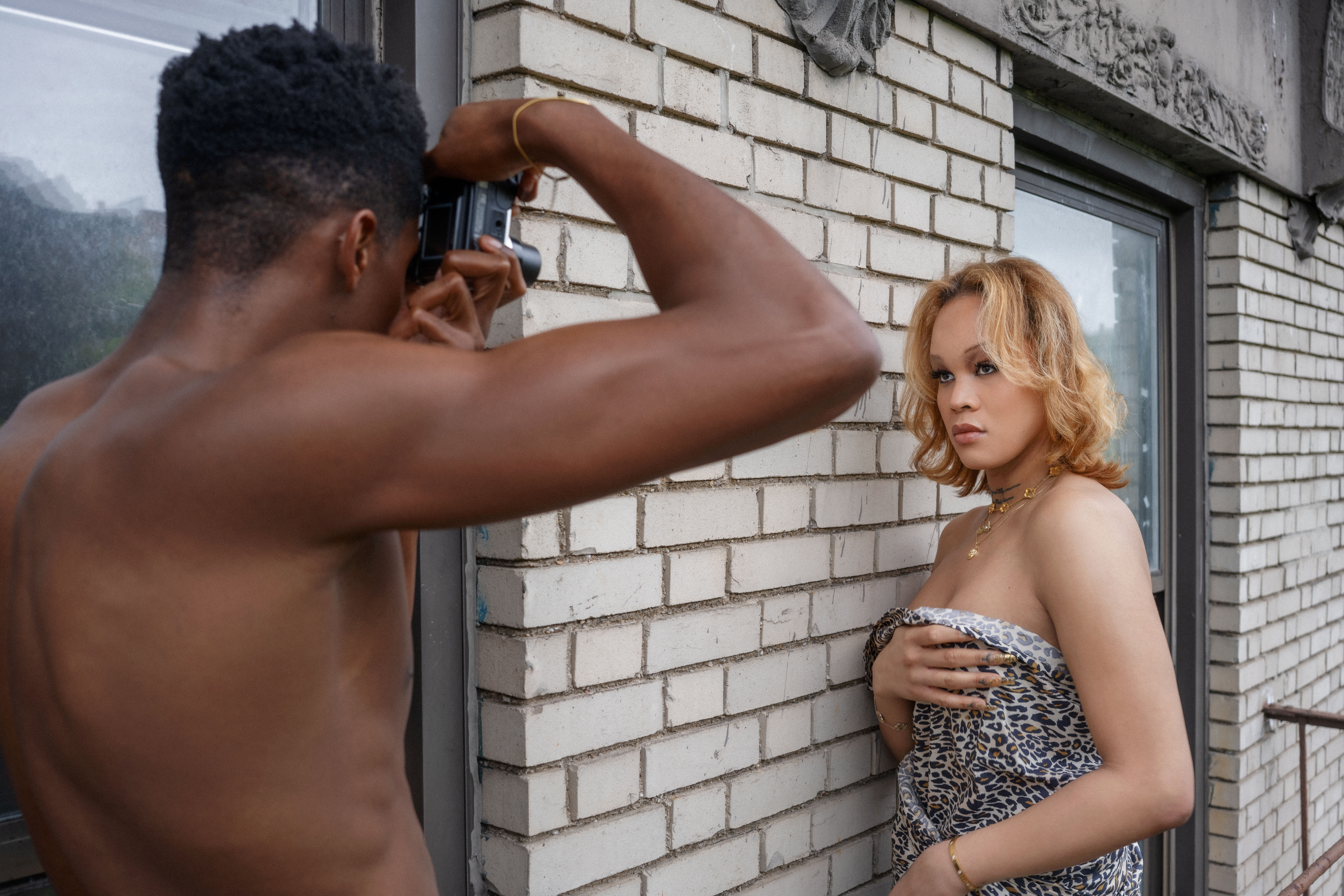
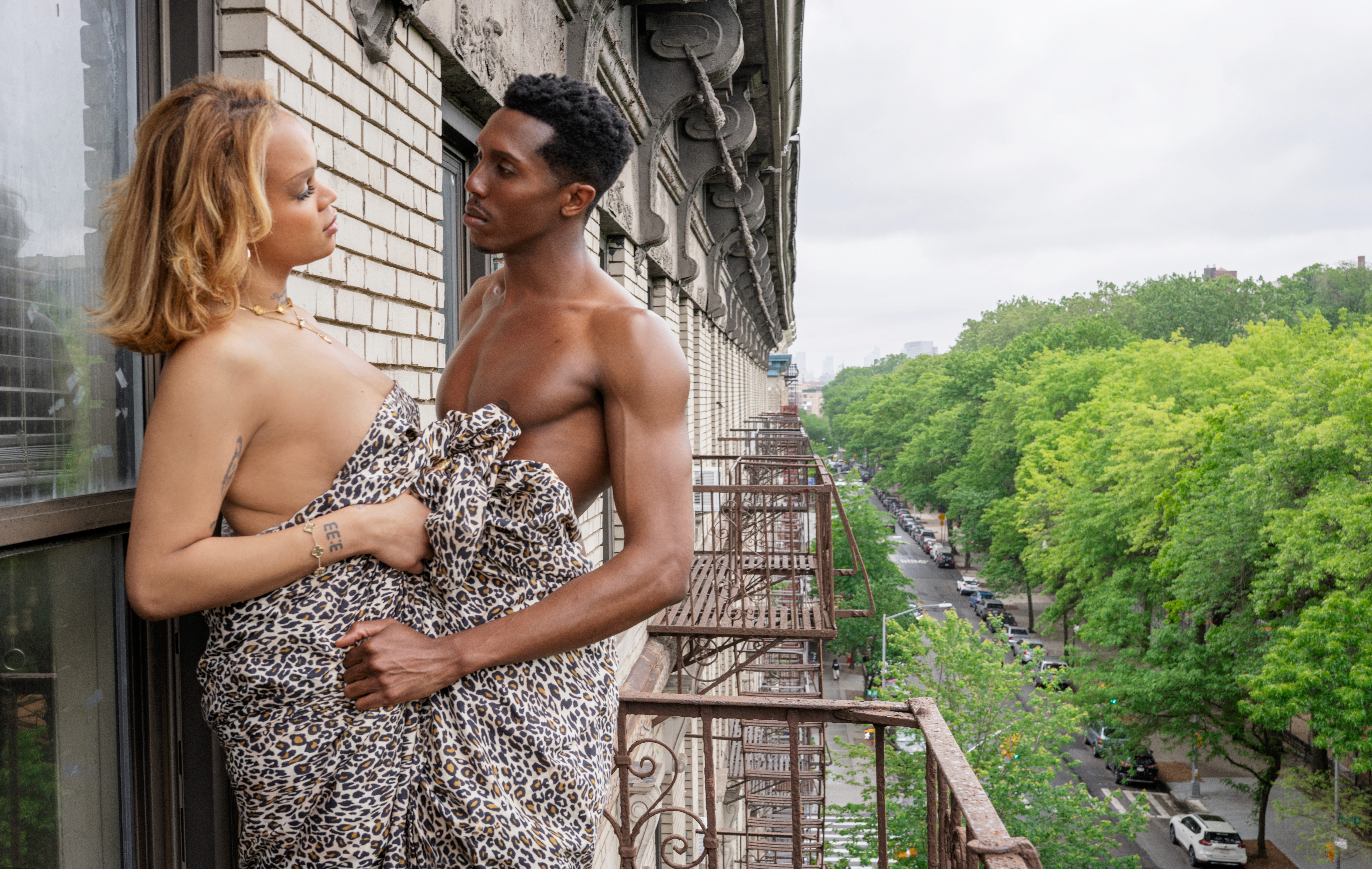
Lensed by Brian Vu
Styled by Bryce Ray
MUA: Tommy Tafoya
Featuring Brandon Burks