

LOVE BAILEY NAVIGATES THE VIOLENCE OF VISIBILITY
Bryce Ray, Love Bailey

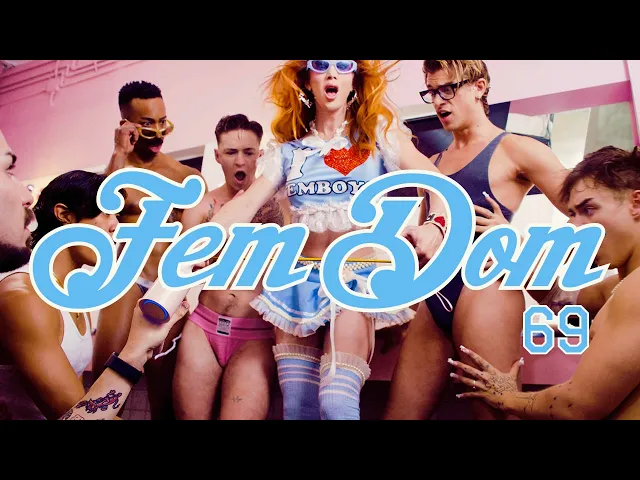
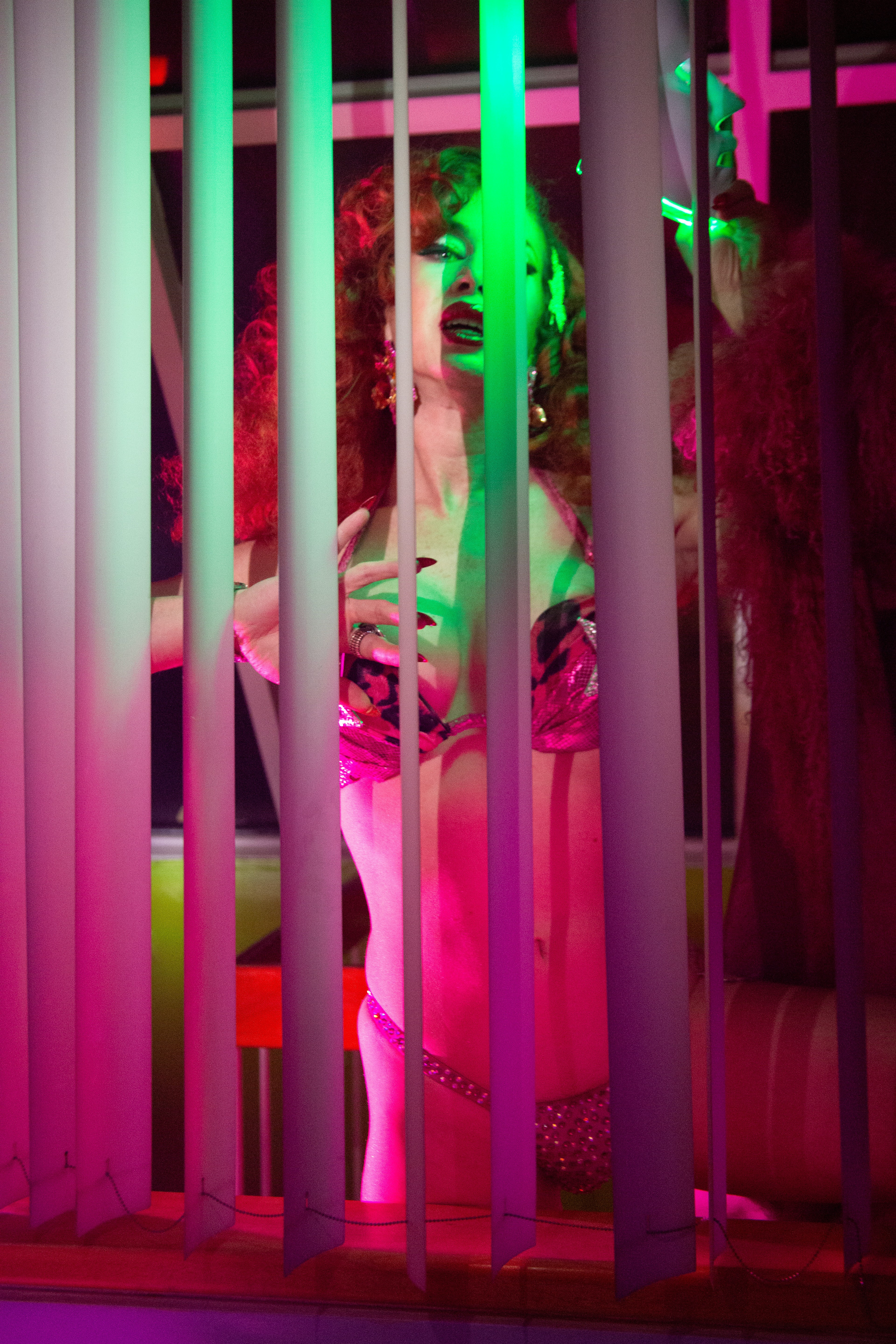
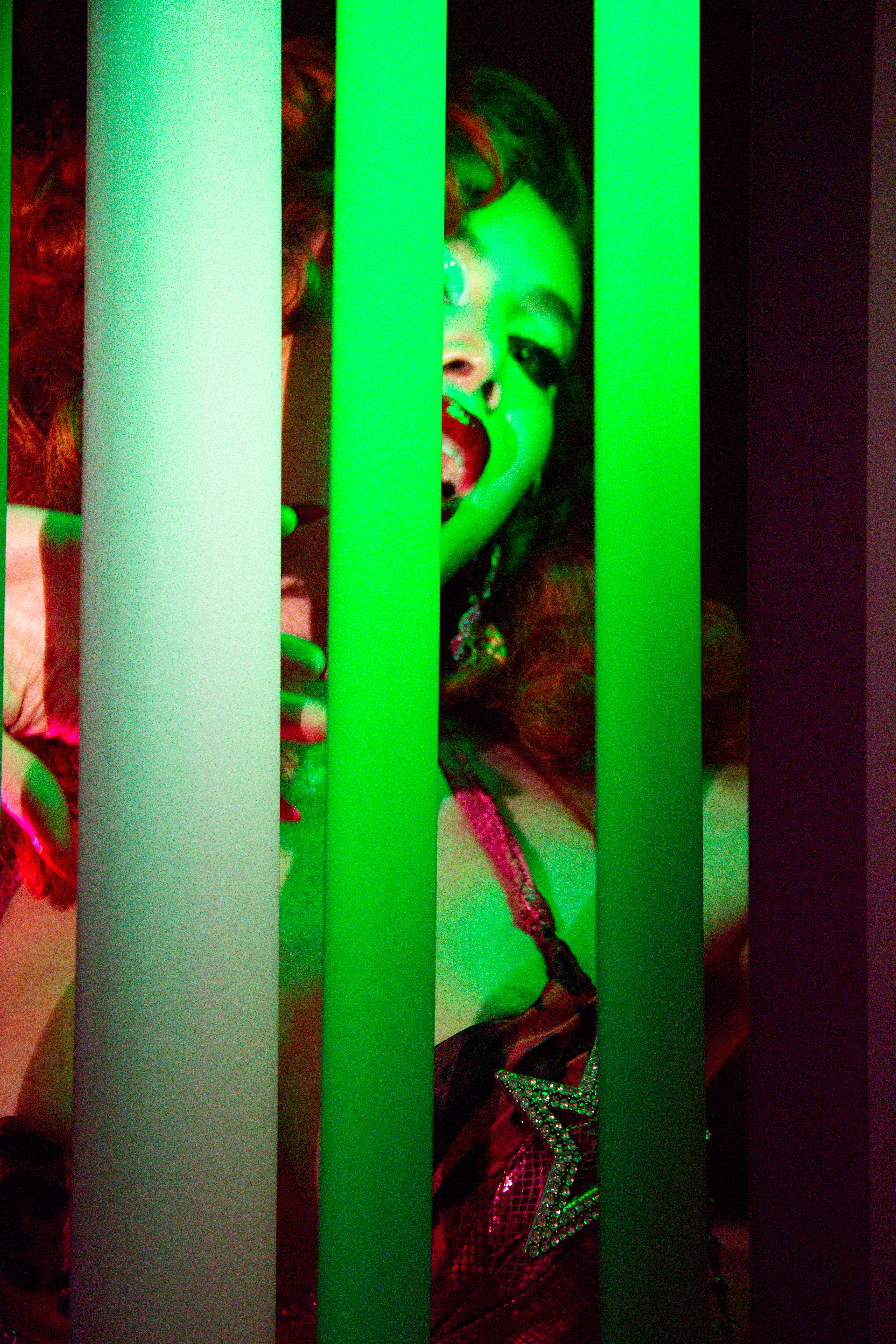
For our first ever digital exclusive, PSB EIC Bryce Ray hopped on a call with California doll, artist, and performer, Love Bailey, who’s latest music video for 2025 banger “Fem Dom Top,” explores queer visibility, online spectacle, and the violence of cancellation. The recently cancelled diva tells us all about making the video, her cancellation, and her upcoming feature film.
BRYCE RAY: So tell me a little bit about how Fem Dom Top came into fruition.
LOVE BAILEY: Kota and I were at “The Dollhouse” talking about the kind of boys he likes, which happen to be fem boys that are dom tops. I found that really interesting. I was kind of making fun of him and came up with this riff, [Sings.] “Fem Dom Top make ya body rock, the fun don’t start ‘til your panties drop.” That night, I sent the riff to my producer Mass Fish as a kind of LOL. He sends it back with a beat, and I was like, “wait, I love this.” Then it evolved, and Kota was like, “I have to direct the music video.” I said, “well, we can co-direct it, but yes.”
KOTA: A year later we did the music video. The video was inspired by cancel culture—i wanted to conceptualize how being trans or femme or what have you can box you in. People have a lot to say about what it means to have a specific label. Love doesn’t necessarily fit all those boxes.
BR: [Laughs.] How did you and Kota meet?
LB: We had a little rendezvous, well--first of all, Patrick Duffy, he curates experiences and works with hotels. He told me about Kota’s magazine, “The Sex Worker,” and thought we should link up. We stayed in contact over social media, and then he came to where we were staying at the time. We had a little soiree with the boys. I had this Chilean hot, hot hung heartthrob, Tómas, come over, and he was the pass around hunk for the evening. Next thing you know, Kota is shooting my porn as I’m getting railed by Tómas on the pool table.
BR: That’s quite the introduction. Going back to “Fem Dom Top,” so much of it is about the ways social media has exacerbated the levels of surveillance we’re placed under on a day-to-day basis--especially for Trans bodies. I’m curious about your own relationship to social media. You’re a very prolific poster.
LB: I had to embrace it. I was being cancelled by my Trans sisters in LA--the mean girls of LA. It’s been difficult, but I’ve found power in owning my cancellation. None of these girls had any specific reason for cancelling me aside from inflated rumors. It’s sad because while the real evils of the world--fascist politicians--are out here doing corrupt policies and stripping us of our rights, while we’re left to these culture wars that distract us from the real issue. Fascism is working.
BR: What I’m really curious about is this: if your visibility is being weaponized, why seek it out? What does it mean to be visible to you?
LB: I am tired of not seeing the dolls own their sexuality and their transness to the extent that I would like them to. I’m a firm believer that it’s important to see ourselves reflected on the silver screen because that’s how we find our heroes and who we want to be in this world. I saw a void of someone who was unashamedly Trans--embracing their she-ness, owning their bulge and every part of themselves. I wanted to fill that void.
BR: That’s beautiful.
LB: Holes need to be filled, baby! Fill them up!
BR: That’s a proverb right there. Pivoting back to the video, how did you come up with the character of Trey? Is he an actual person?
LB: Lowkey, it’s Kota.
BR: [Laughs.] Really?
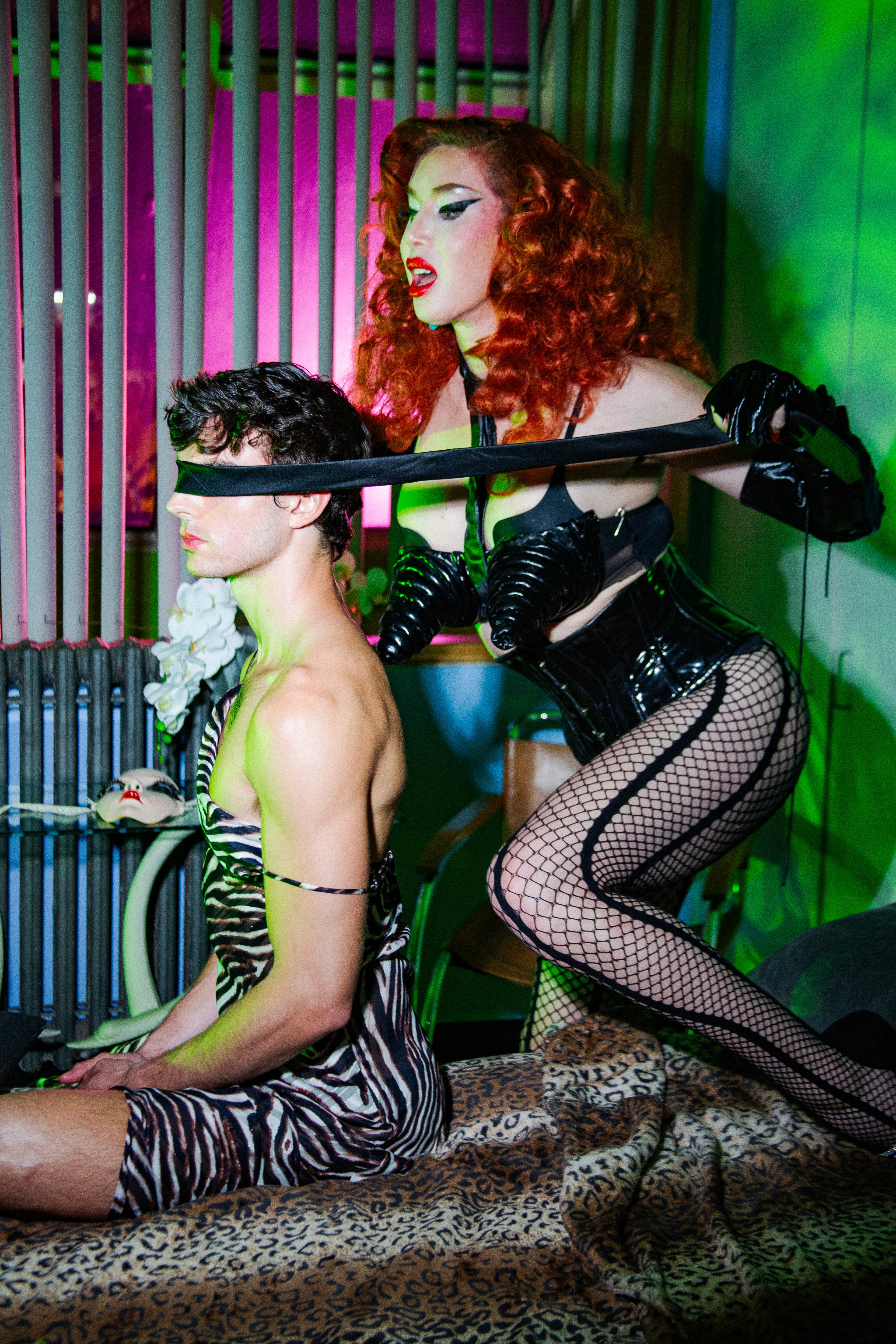
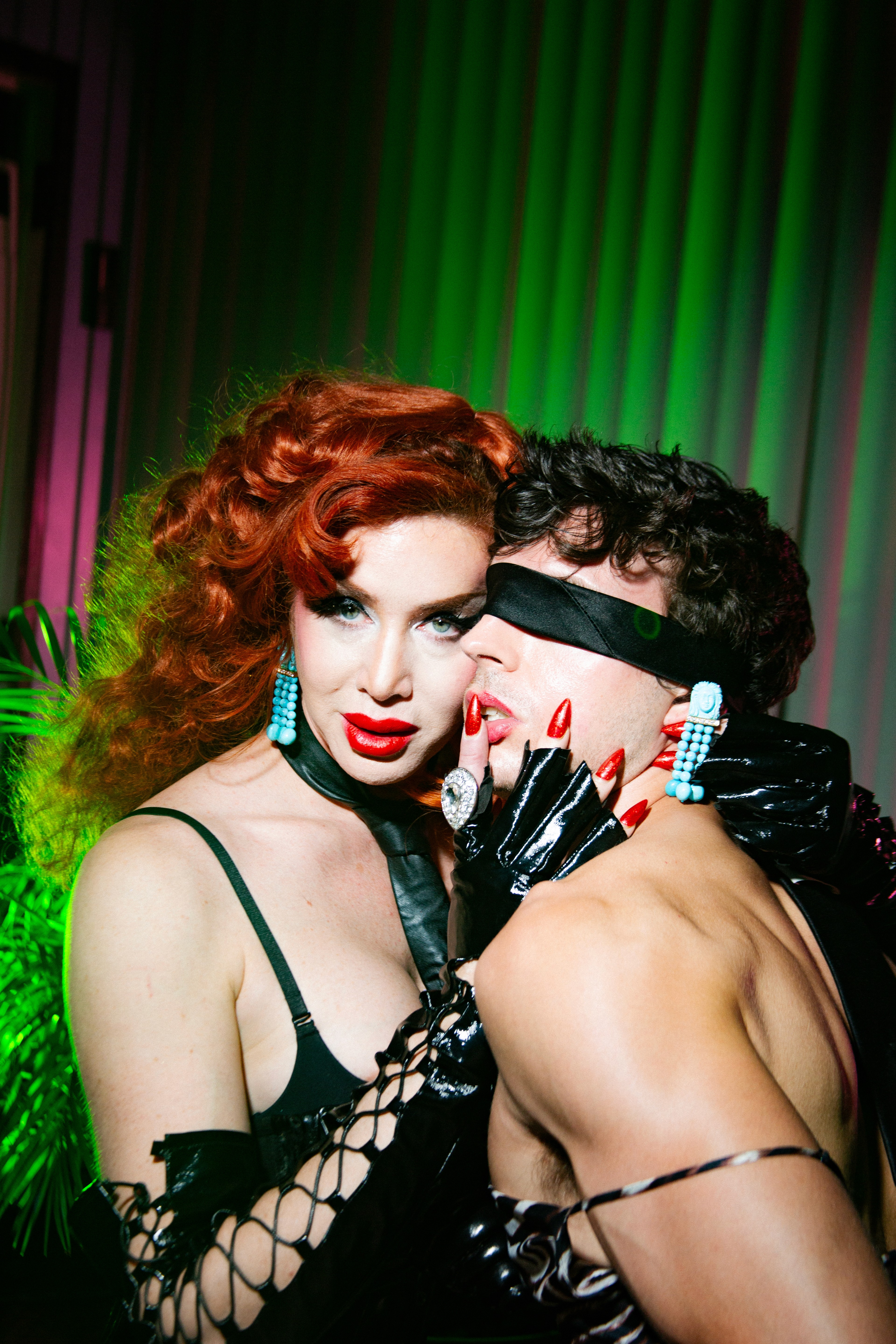
LB: He won’t admit it, but I had so many times when I wanted to tell him, “Kota, you can’t be the director you’re writing about.” We had many fights about this, and at some point, we had to embrace each other’s crazy. That’s what makes good art. [Laughs.] He totally wrote it for himself.
BR: Life imitates art. Did you have any specific films or pop culture moments that helped inspire the video? I love the way it’s stylized and color-graded, and I was wondering if there were any specific references.
LB: We found a lot of references during the days of filming, but we didn’t necessarily go into it with any preconceived references aside from a few nods here and there. The dialogue scene at the end features a “Cruel Intentions” reference. The taxi cab shot is a reference to that one Nan Goldin photograph.
BR: I love that one.
LB: And there’s an “American Beauty” reference when I say, “you have no idea what I’m talking about, I’m sure, but you will some day.” A lot of the references came in through the dialogue. We reference John Waters’ “Cecil B. Demented” in the glamour scene when I slap his ass and say, “Satan says you need more color”--that’s an exact line.
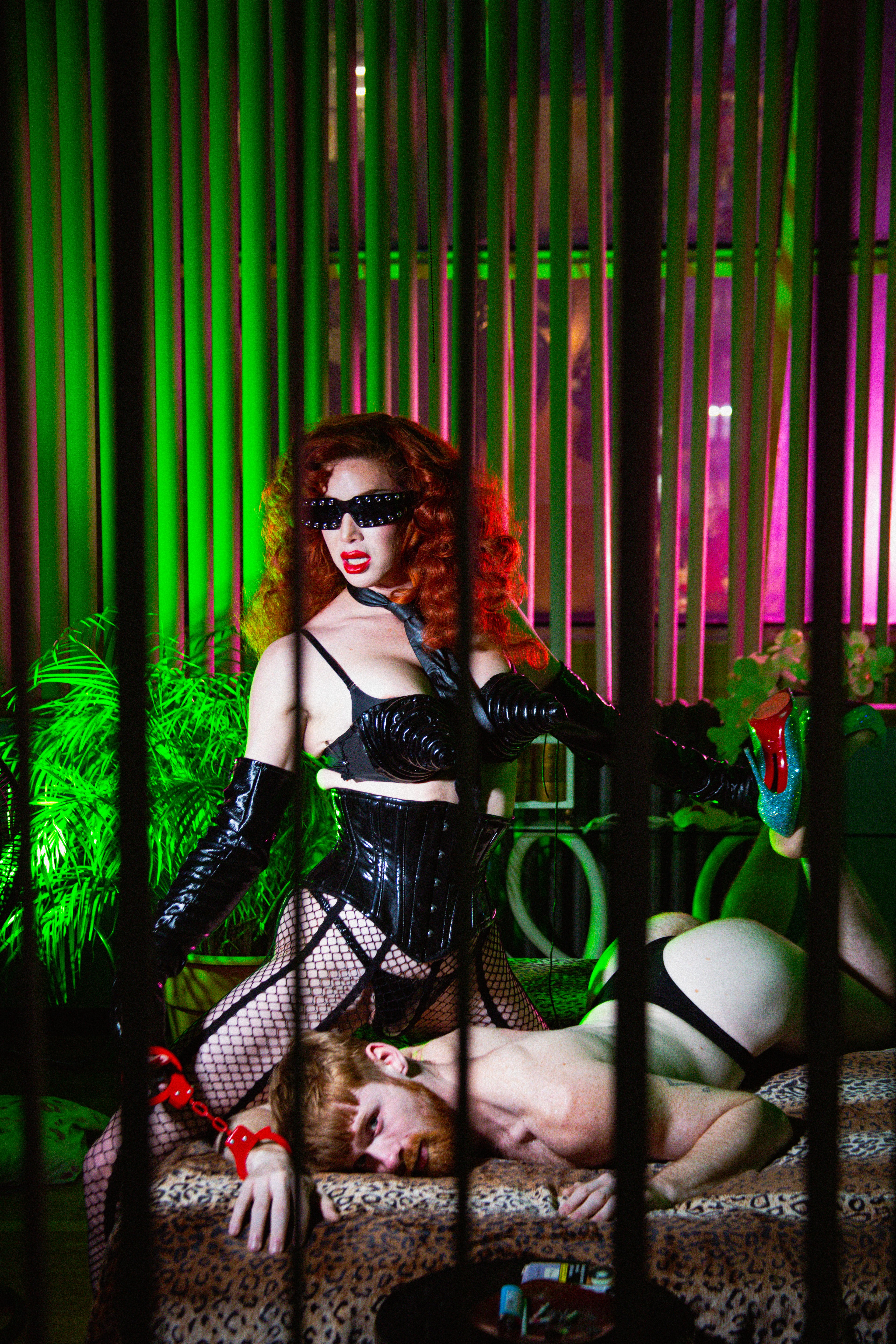
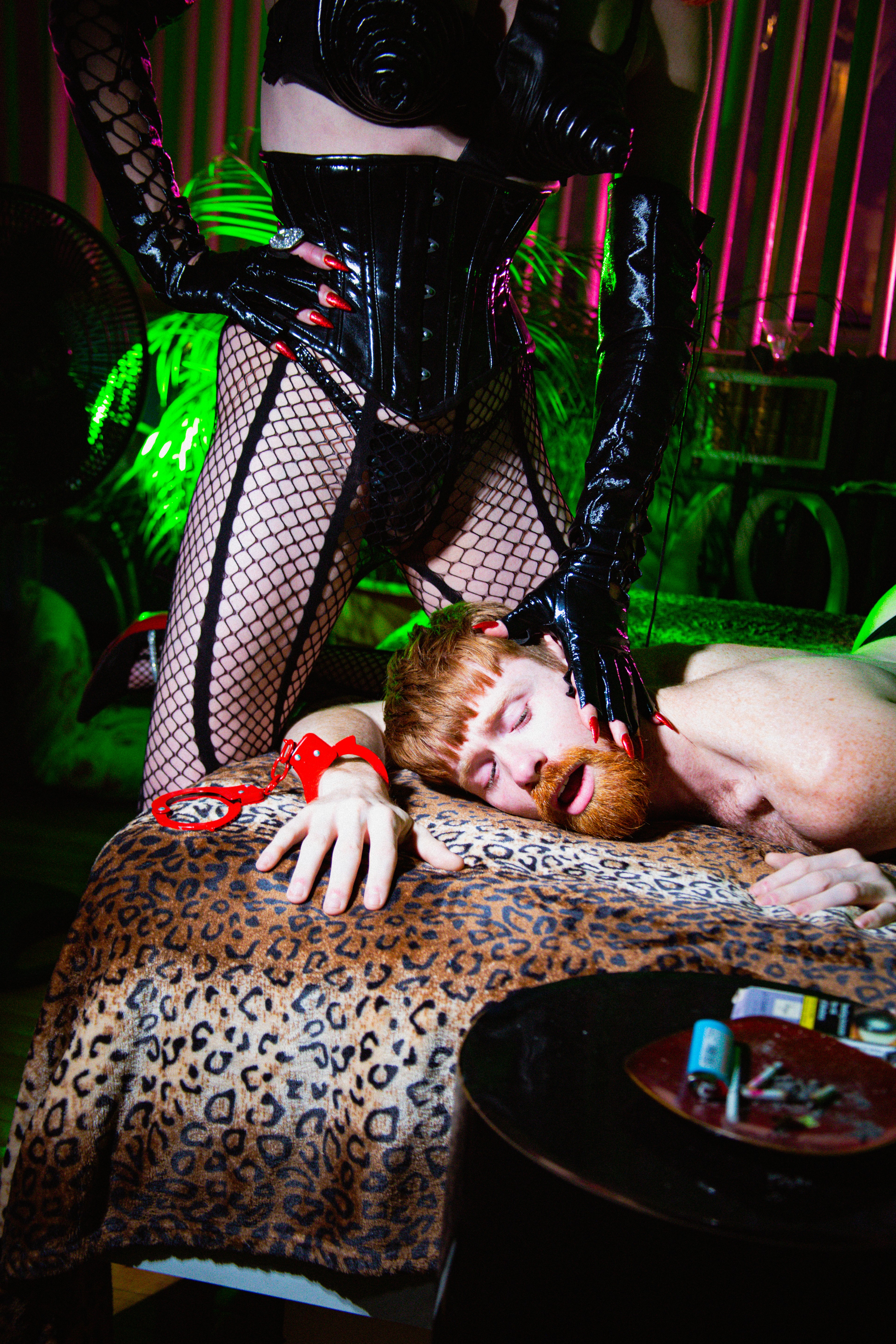
BR: What was the process of writing with Kota?
LB: He came to me with a 10-page document of a script and a narrative. He wanted this big fantasy. It was my job to come in with the constraints of a small budget and see how we could refine the fantasy a bit. You’ve got to strike the balance between this is the fantastical world that we want to build, but how can we strip it back and make it work for the world that we live in.
BR: The constraints make the storytelling better, I often find. It forces you to find more innovative and clever ways to tell your story.
LB: We both had non-negotiables. His non-negotiable was the taxi cab scene--which ended up being my favorite scene--but in the moment, I didn’t want to cry and show emotion on camera. I was tired of trauma porn. We fought and fought, and finally he won. And I love it. My non-negotiable was that a lot of the dialogue had to be shortened. You’ve got to cater to people’s attention spans, and whole pages of dialogue are just not going to work. I had to constantly condense.
BR: True, and if you’re marrying this narrative with the format of a music video, you’ve got to remember that it’s a music video first and foremost. You have to get back to the music. What was filming like?
LB: It was shot in three days. We did a lot of rehearsals. We shot at a gym one day, then at this mirrored studio another, then the last day was the taxi cab scene shot in my car.
BR: Is this going to be a part of a larger project?
LB: I submitted to film festivals. However, I am working on a feature film called “The Battle of Transmecula,” about what happened in Temecula when I fought for trans rights and was chased out by pedophilic Evangelical nazis.
BR: Can you tell me a little more about what happened?
LB: The Savage Ranch was this queer community I built for ten years in the California Wine Country--Temecula. It was a safe haven for queer artists all around the world. Elliot Page stayed with us. National Geographic wrote about us. Playboy wrote about us. We were in a Kim Petras Sky Vodka campaign. We did a lot of great things. We ran it for about ten years, and I began to slowly realize just how corrupt the politics in Temecula are. It’s run by a pedophilic Evangelical pastor who gets all this corrupt legislation through the door because everyone goes to his church. One of these corrupt policies being “mandatory outing.” It’s a whole system I had to learn about. They’re connected to Project 25. Marjorie Taylor Greene would speak at their church…they’re very embedded with what’s happening right now.
BR: Holy shit. So where are you in the process of getting this film produced?
LB: Fundraising! We accept Paypal, Bitcoin, Crypto, and cash. If you’re an investor and want to fund queer liberation stories at a time when fascists are taking over the media? Now is the time!
*This interview has been edited and condensed for your viewing pleasure.
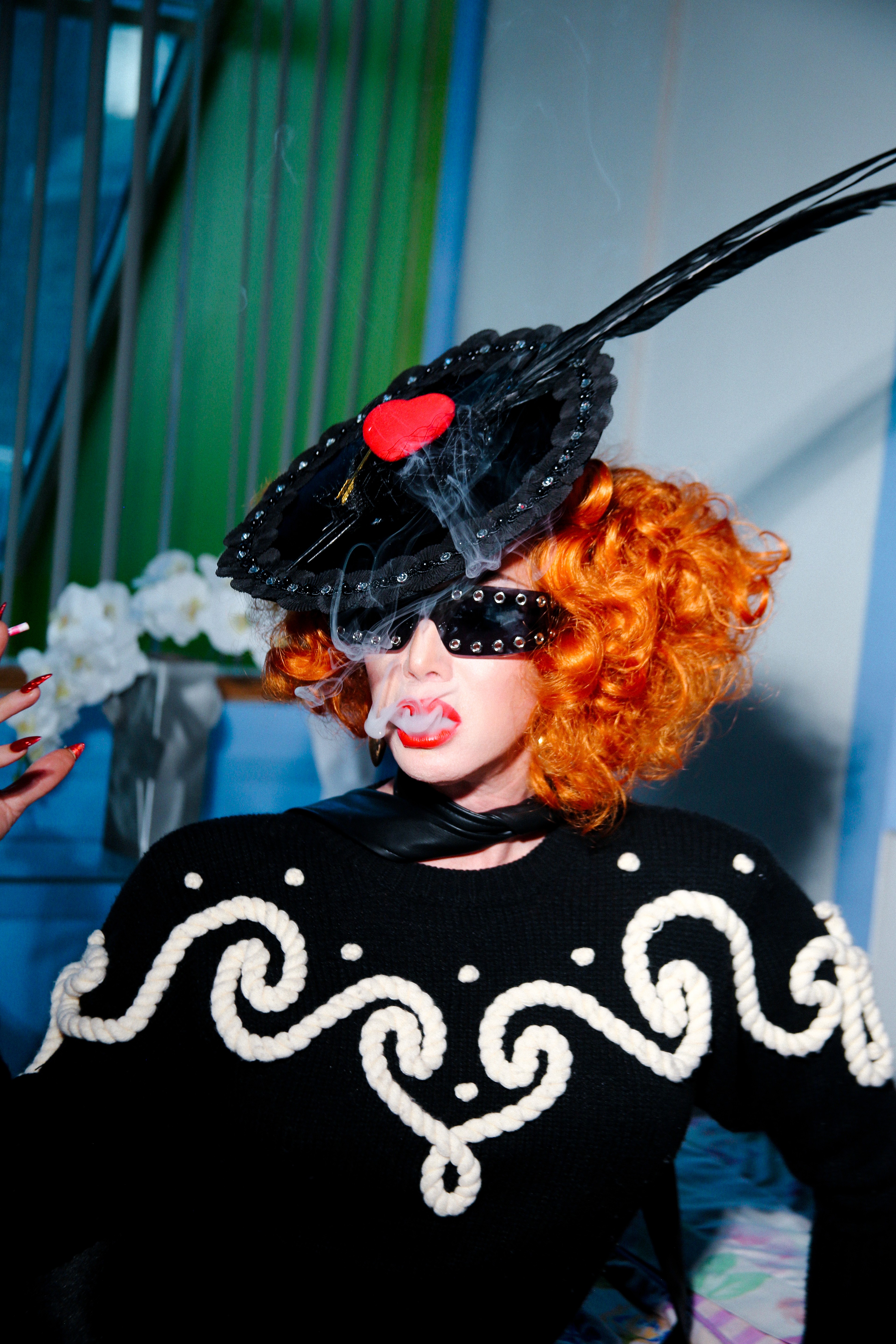
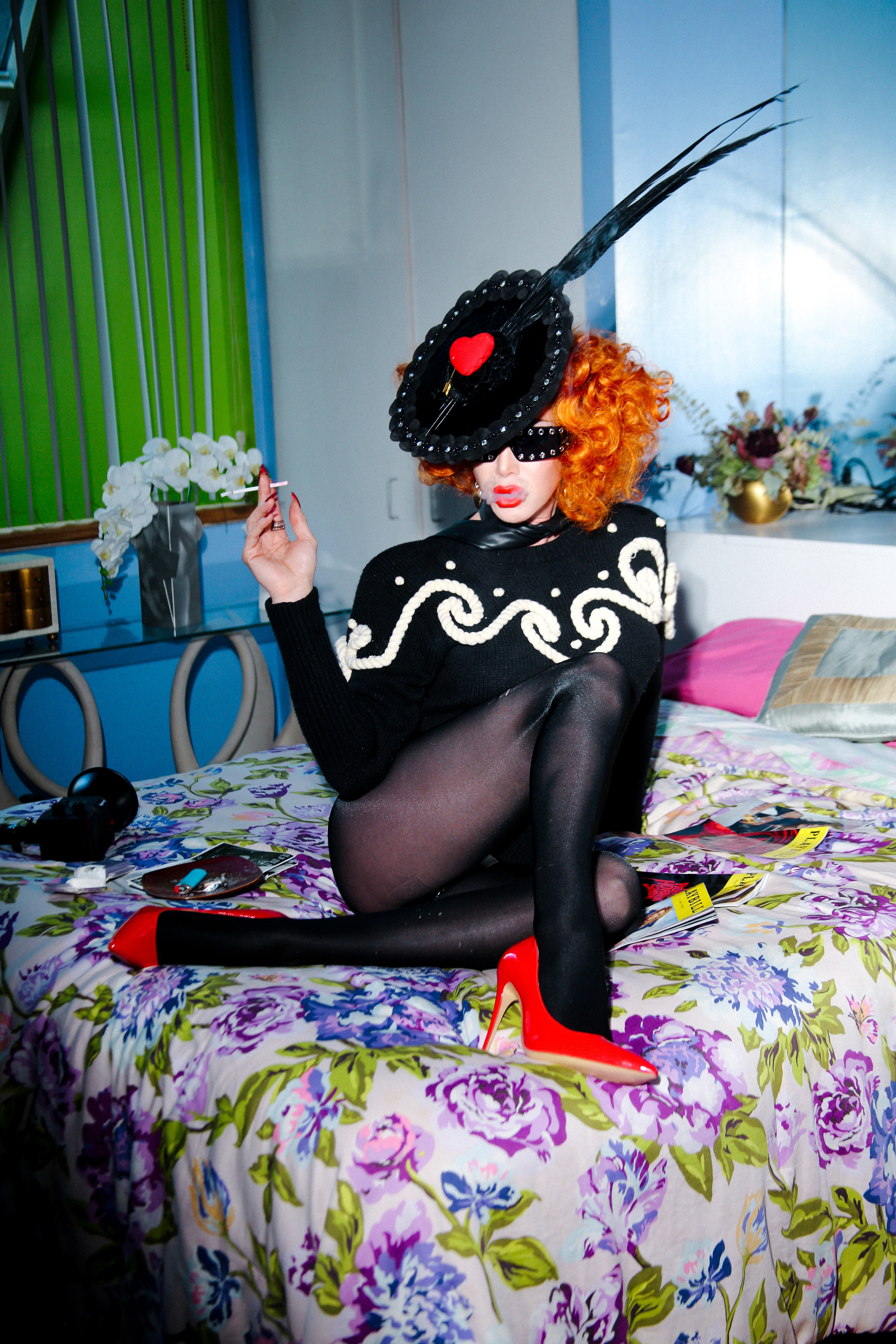
Lensed by Shane Reynolds (@shaneriaction)
Styled by Kristopher Fraser (@krisfashion1)
MUA: Ryn Major (@majorartistry)
Production Asst: Toby Teitel (@toby_teitel)
Featuring Jason Carroll (@itsjasoncarroll) & Silas Waller (@honktonk.hooker)