

JACKSON & NICOLAS TAKE THE RULES OUT OF POP MUSIC
Jackson Walker, Nicolas McCoppin
JACKSON & NICOLAS TAKE THE RULES OUT OF POP MUSIC
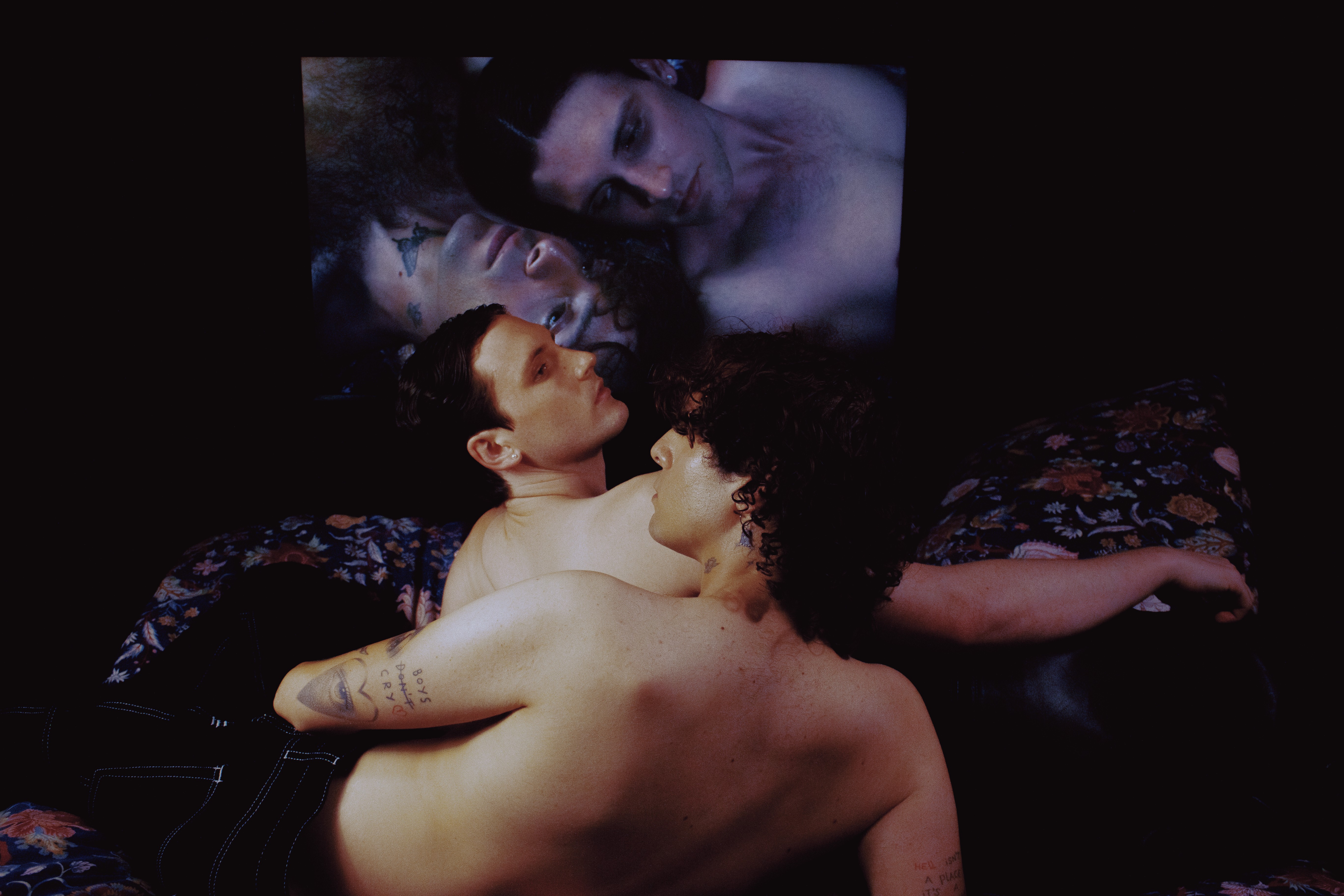
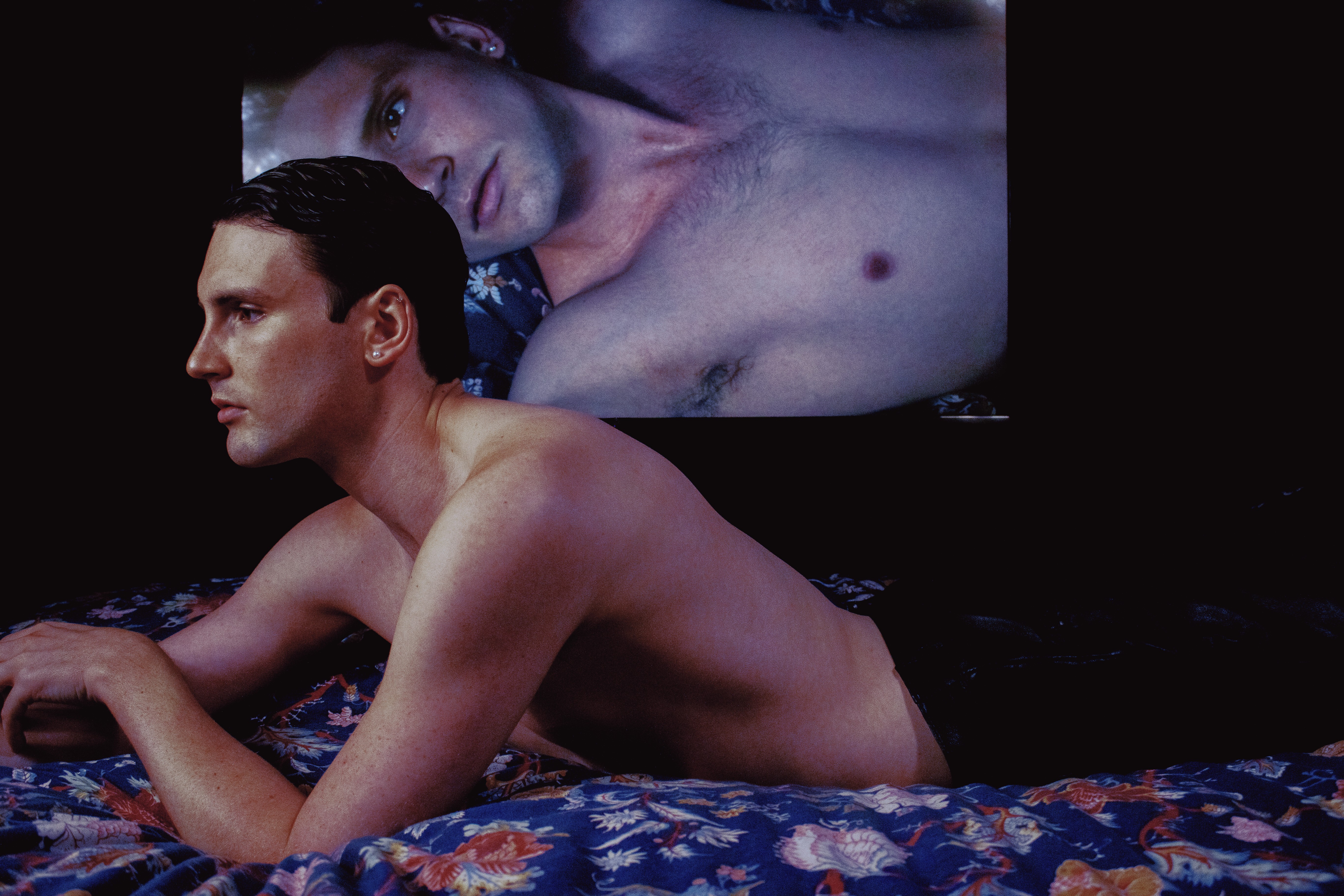
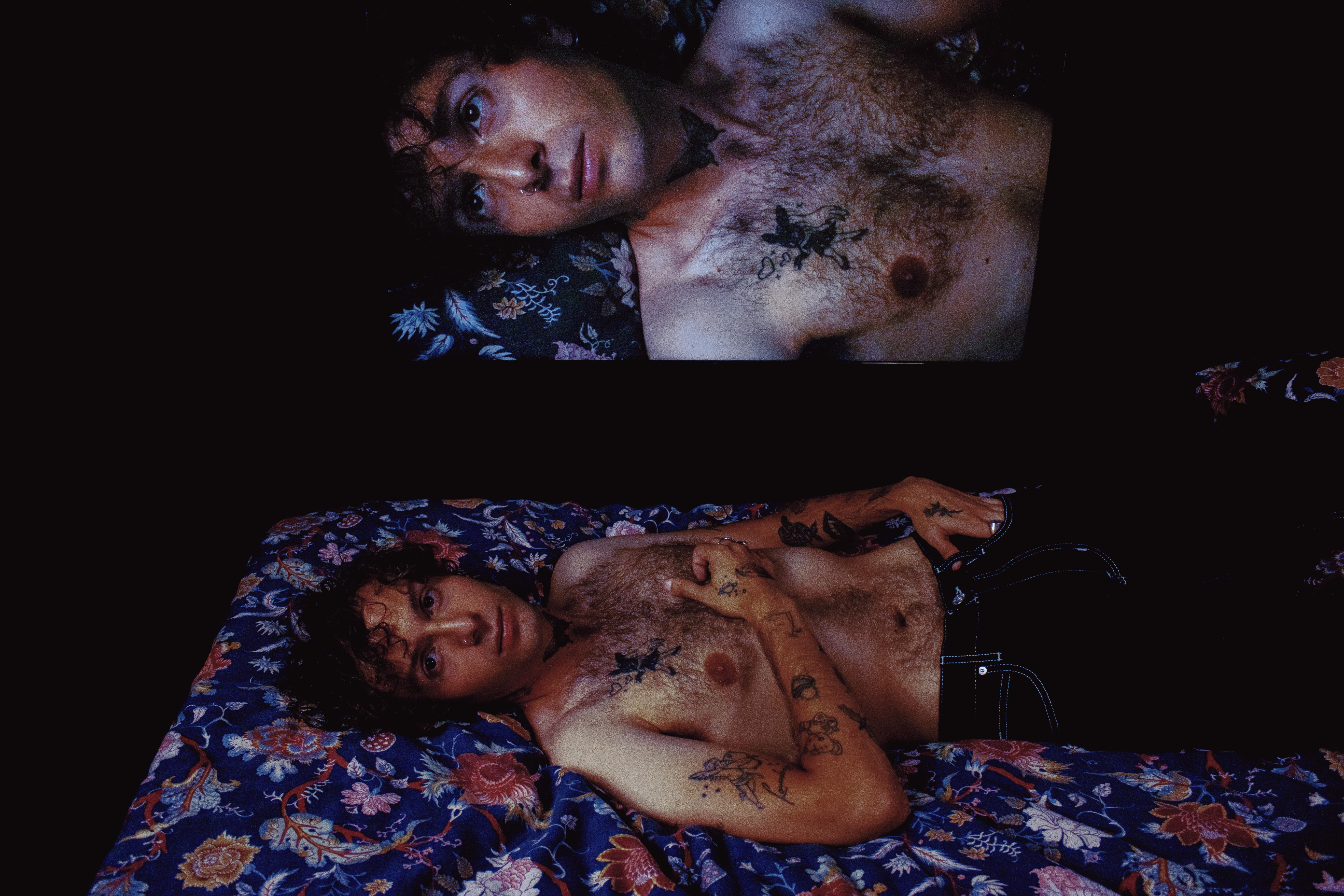
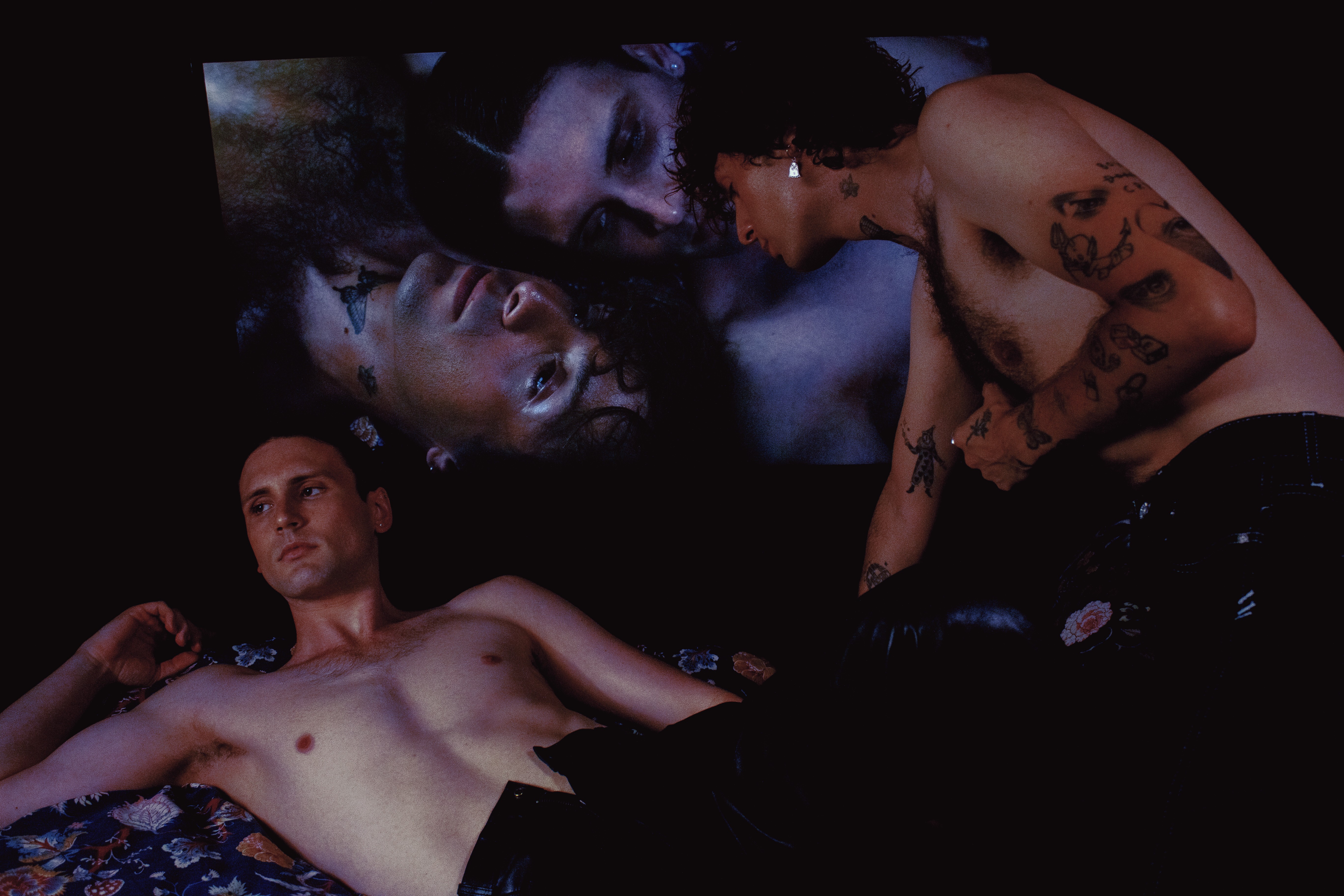
Jackson Walker and nicolas McCoppin had actually never met before conducting this interview. The pair come from very different backgrounds—Jackson grew up in the rural country just a stone's throw away from Austin, Texas, nicolas grew up on the bustling streets of nyc--but they actually have quite a bit in common. both are singer-songwriters, both are mainly self-taught, and both got their start in musical theatre. nicolas’ debut ep “loverboy” was released back in 2020, followed by the chart-topping single “heaven” in 2021. his sophomore album “mind motel” was released last year. jackson’s debut album, “moth” was released independently in june of 2024. now on opposite coasts, one in la, one in nyc, the pair hopped on a video call to talk songwriting, the la versus nyc debate, and the triumphs and woes of navigating the music industry.
JACKSON WALKER: I’m obsessed with your neck tattoo.
NICOLAS McCOPPIN: Oh my god. Thank you. Thank you. I can’t see you yet.
JW: [Laughs.] This is my first time setting up a zoom meeting. Let me see…is this working?
NM: Not yet…
JW: Wait, okay, here we go. My first question: are you represented? I’ve been independent the whole time I’ve been making music, so I’m curious as to what it’s like.
NM: I started completely independently. It’s fun because you get to call all the shots and do everything, but it’s also so expensive. You’ve got to be your own manager and do your own A&R. It’s a lot. I signed to AWAL when I was 19 during their Sony buyout. Things got bumpy and everybody left. I stayed on for another year after that, but they weren’t really supportive of any of my releases. It was difficult because I was doing a lot with them but wasn’t really getting anything out of them. So then I dropped them and went completely independent again. After that I signed with Virgin and Universal.
JW: That’s iconic!
NM: I’m really excited. I’m working on my first release with them now.
JW: I just released my first project a few days ago. I started writing it when I was 19/20, during the pandemic, but it took so long to get produced. Like you said, it’s so expensive to get anything produced when you’re independent. I’m dropping stuff that I initially wrote like four or five years ago.
NM: Oh, so we’re the same age! Congrats on your release though! You released Pride weekend, right?
JW: I did! I didn’t even think about it when I was planning the release. I would’ve loved to have done some kind of Pride performance, but I was in the middle of moving. The first time I ever performed was in Pittsburgh. I was also in the middle of moving and literally had to run off the stage to hop on a plane to New York. It was so stressful.
NM: And moving to the city or in the city is its own kind of hellish beast. It takes everything out of you. [Laughs.]
JW: What was it like moving to LA from NY? What made you want to move out there?
NM: I knew that I had to do it. I love New York--it will always be home to me--but pop music in New York is tough. It really is. You really have to carve your own path. There is less of a pop community, so it’s harder for collaboration. I moved here for the music. Like I’ve always wanted to live here, but my heart will always be in the city. For music, it’s been the best thing that I ever did. I signed within six months of moving here. It just feels so much more valuable to be here. You meet people in the industry in your everyday life, everywhere you go. It feels like more of an entertainment nook than New York does. I wish New York had it, but I feel like I’ve exhausted everything that New York had to offer. It was a crazy transition though. I had to learn how to drive. [Laughs.]
JW: That’s so real. I haven’t really hopped into the world of collaboration yet. Everything I’ve done has been with my producer Ron Mist. He did my whole first album, and he’s helping me work on some new stuff. I’ve already noticed that there is a lot of gatekeeping in the artist community here.
NM: There is. It’s really privatized.
JW: Everybody kind of wants that sad girl singer/songwriter energy. I don’t know. I’m interested to see what happens as I try to kind of infiltrate the New York club scene.
NM: Yes! It’s fun to explore. I had the time of my life doing the Lower East Side show circuit. It feels like a right of passage for every indie/pop artist. You’ll definitely get a lot out of New York. I would not be the artist that I am today--I wouldn’t be the person I am today--without New York.
JW: You were saying that your label wasn’t super supportive of your projects, what’s that like as an artist? Your music is so introspective and from the heart. That must have been tough to have not gotten the support you needed.
NM: It was definitely hard. It was in the middle of the pandemic, and I had just moved to the East Village. I was putting out a song called “Heaven.” My label took interest in the song and even moved me up to a higher tier at the label, so I thought, oh, cool, they care. I felt like I was being watched in a good way. The song did pretty well when I put it out, and I got reached out to by a radio promotion company that wanted to send the song to radio. I went to the label and pitched it, did a whole presentation of what I would need to make it happen, and they basically told me they wouldn’t pay for it. So I said, fuck it. I had money set aside that I didn’t use to go to college, so I funded it myself. The song ended up going Top 40 in US Pop, and the label still didn’t give a fuck. I got no Instagram posts, no press release, no nothing. It’s crazy to now be signed by a label that actually cares so much. They’ve taken such an interest in me and getting my debut album produced. It’s truly crazy the world of difference between the two. Overall, everything happens for a reason though, and I’m happy where I landed.
JW: That would piss me off so bad. It’s hard enough as it is to make art. It’s got to suck to be signed to a label that is meant to fund and make the process easier for you, but all they’re really doing is getting in the way. That’s so frustrating.
NM: It was very much a high-high and a low-low. [Laughs.] But I guess that’s just the music industry right there.
JW: I was talking to some friends of mine that are a little more cemented in the industry as I was making my album, and they were telling me not to sign with a label until I get a following on my own--that a following would provide me with more leverage.
NM: 100%. That’s some of the best advice anyone could give you. I did the opposite and signed with an agency before gaining any kind of following and ended up getting no support. Luckily I was able to gain a bit of a following in the process of getting another deal.
JW: I mean, it sounds like you did so much of it on your own. Kudos to you. I want to know about your writing process and the actual creation of your work.
NM: I was just about to ask the same thing--
JW: [Laughs.] Well, for me, I grew up on pop music. It’s fueled my self-discovery since what feels like the day I was born. I mean, Texas isn’t the most conducive to queerness. I think I was very confused as a kid. The only times I really felt like I knew myself as a kid was when I was listening to Nicki or Gaga or Beyoncé or Rihanna. All the girls! I knew I loved pop music because of them, and I eventually learned that I loved writing it. My parents really wanted me to play sports, you know, so I had really no idea how to let my love for music and performing out. I had no outlet for it. I started doing theatre and performing, but I feel like I started really late in the game. This is all a long winded way of saying that I can’t play instruments for shit. I can’t! So I started writing just on voice memo and writing the lyrics in my journal. I started recording what I called my “metronome demos.” I’d go on this free metronome internet page where they had a drum sample looped. It was so busted, but I would record everything in one take and use that to start pitching to producers that I felt could help bring my vision to life. I ended up finding my producer, Ron Mist, and he already had a pretty clear vision of how everything should sound. I basically presented him with an album, we started from the first song, went to the second, and it became something so much more than I ever thought it would be.
NM: I love that.
JW: It’s still how I write to this day. Very official on my voice memo app.
NM: I started as a singer. I also had no idea how to write. I grew up doing musical theatre. I finished high school online, so I had all this free time to figure it out. Like you, I found a long-time producer that I’m still working with. He’s helping to make my debut album this year. We’ve come up together. Slowly I learned how to write. Voice memos and the notes app have been my favorite, favorite thing. I used to write to a metronome as well. Then I started using Splice. It’s my favorite thing. It’s hard to write a full song yourself if you can’t play an instrument. This year I’ve been doing writing camps which has been a whole other experience. It feels like I’m in traditional pop album mode. But I love to hear how you write because I’ve done the same thing.
JW: Your melodies are so cool and interesting. It makes sense that you write without instruments. I’ve been kind of thinking about it for a while, and I think that there is something so freeing about not having chords as your guide. You’re literally just using your imagination. You’re not in the structure of somebody else’s chord progression. It’s literally all just coming from your mind.
NM: It’s true. It takes the rules out of pop music. I feel like that’s happening more and more.
JW: It needs to! You said you didn’t go to college, and for the longest time I really questioned if I should’ve gone to school for commercial music. Sometimes I really wish I had, but then I think about the box you can so easily be placed in when you’re told how to do something and the structure you should be using. I think it’s cool that neither of us specifically studied how to make music.
NM: Right! I actually dropped out of a music conservatory. I went to Purchase in Upstate New York. I was really excited because like Mitski and some people I knew had gone there. I got in because they really liked my music, but I didn’t know any music theory. I was in so many music theory classes that it was taking all the fun out of music for me. I said, fuck it, and dropped out.
JW: Music theory stresses me out to even think about. My producer also doesn’t know that much about music theory. I don’t know. I think that if you can feel it and have an ear for what sounds good, it’s better sometimes to not be a music theory nerd about it. I don’t want to ruffle any feathers, but--[Laughs.]
NM: Oh, I know. People get so mad about it, but it’s true though. The musical ear is something that people are born with. I don’t think you can really teach it. Either you have it or you don’t. You can just tell what’s right. My producer is a music theory nerd. I used to send him my music theory homework in college. It’s cool that he knows it because if I’m ever way off, he can tell me why it doesn’t work. He loves it, but most of the time I feel like I don’t need it.
JW: I love a producer/writer relationship. So much beautiful stuff gets made.
NM: It’s so fun. I love writing with other people because the best idea can be one that I didn’t think of. I love it! I feel like the more eyes and ears on the song, the better the song is going to be. It’s nice to bounce ideas around.
JW: I’ve never really gotten to do that before, but I’d really love to. I’ve written stuff with friends here and there--just fun little projects--but I tried writing once with somebody and it was a terrible experience. He basically wanted me to write the entire song for him and then didn’t like any of the ideas that I had come up with. It turned me off of writing collaboration, but I want to get back into it.
NM: It can be a really stressful thing if you’re not writing with the right people. A writing session is like a therapy session. I’ve had writers ask me some of the most personal questions in my entire life, but it turned into the best lyrics. You really have to be comfortable with the person to be able to let it go that deep. I feel like writing with friends provides an ultra level of comfort. Writing with strangers I’ve found can push you. Being a singer first, writer second, I feel like I need that push sometimes. You should try it! I started by just dm-ing people on Instagram, asking if they would be interested in doing a session. I got a lot of no’s--and still do--but you’ll be surprised by the people that say yes.
JW: I’ve had a few people reach out to me since releasing my album, but they always want money in return. They’ll say they love my work and ask to collaborate, I’ll say yes, and then they’re like, okay, great, here are my rates. [Laughs.] Like, okay, I thought we were both broke artists. Obviously, I believe that artists should get paid for what they do, but it’s definitely a very delicate line.
NM: It’s truly a bit of a tug-of-war. It’s the hardest thing to navigate sometimes. I’ve found it’s sometimes easier in person. The more casual it is, the less likely they’re going to hit you with a rate. It’s hard. I’d say pay the rate if you think it’s worth it, but just keep trying to collaborate with as many people as you can.
JW: That’s real. I feel like the best it’s ever paid off to drop some money has been the visual aspect of it all. Pop music, visually, is just as important as pop music sonically.
NM: I’ve had so many fights about this actually. [Laughs.] I’ve dropped so much money on visuals. To me, it’s worth it! If it doesn’t look good, no one is going to listen to it. When pop music is done correctly, it’s worldbuilding. You can’t paint the picture without the visual.
JW: I’m glad that you fought those fights because I completely agree! Pop icons became icons because they knew how to use imagery to brilliantly bring their music to life. It’s so much about persona. Even with the girls that are coming up today. Look at Tyla: sure, not anyone can sing those songs and pull them off, but because she came out the gate with this fully realized pop star persona, we’re buying into the fantasy. It works so well. Gaga wouldn’t be anywhere without her visuals. Beyoncé, obviously, has us all practically fiending for her visuals.
NM: OMG, I know. Her Nadia Lee Cohen visuals. Gag!
JW: We need to hack her computer!
*This interview has been edited and condensed for clarity and your viewing pleasure.
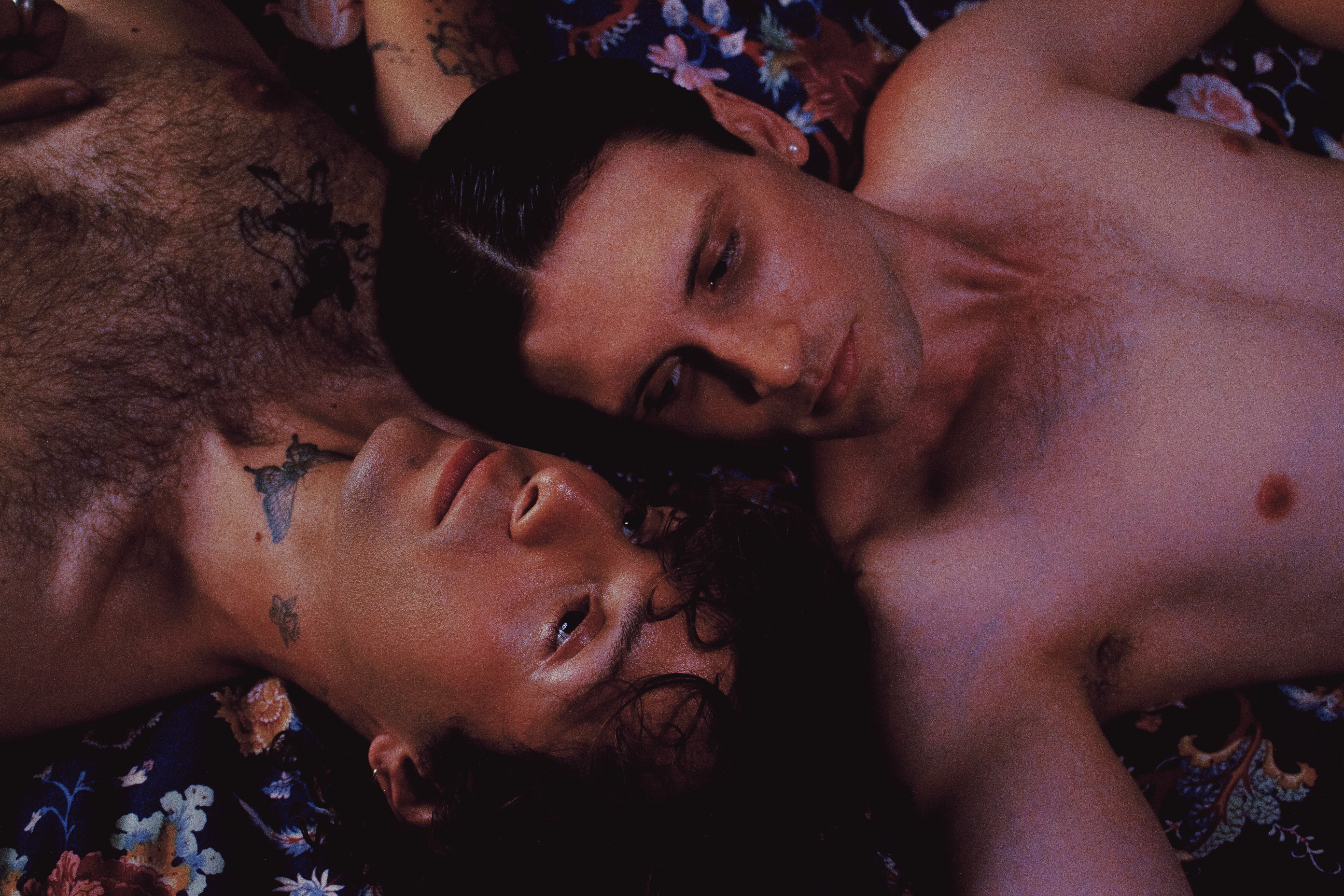
Lensed by Joe Caster (@caster19967)
Styled by Bryce Ray (@popstarbiitch)